


Angkor Thom & Bayon: A magnificent city and temple showcasing Khmer history and spirituality.
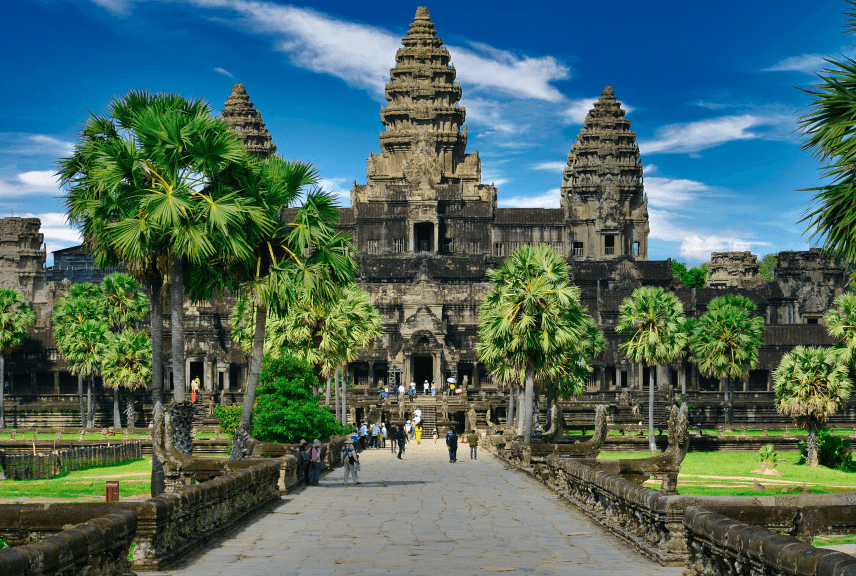
Angkor Wat stands as Cambodia’s most iconic cultural treasure, showcasing the extraordinary architectural, religious, and artistic achievements of the Khmer Empire.
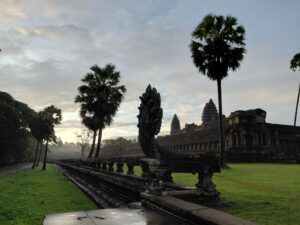
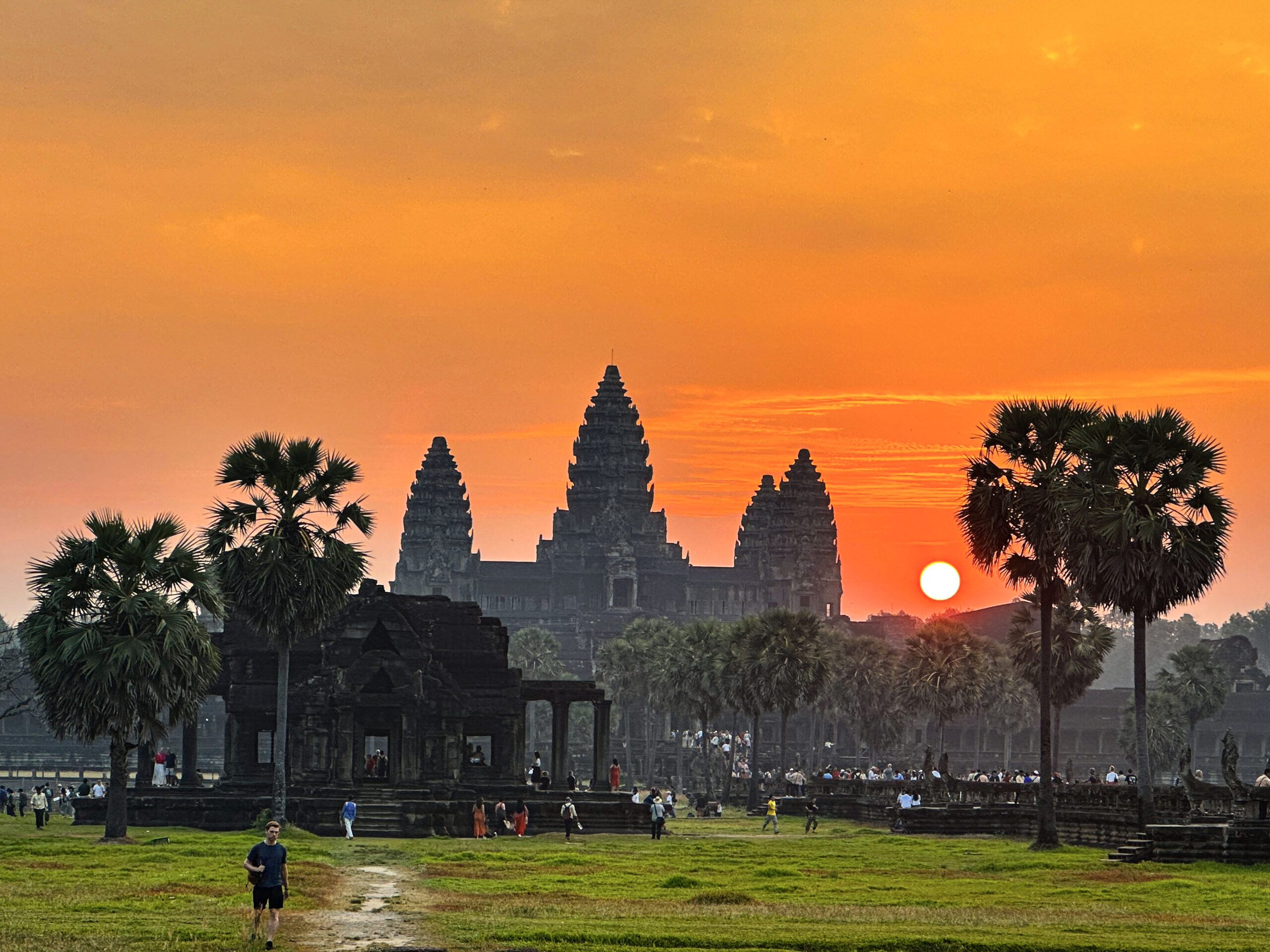
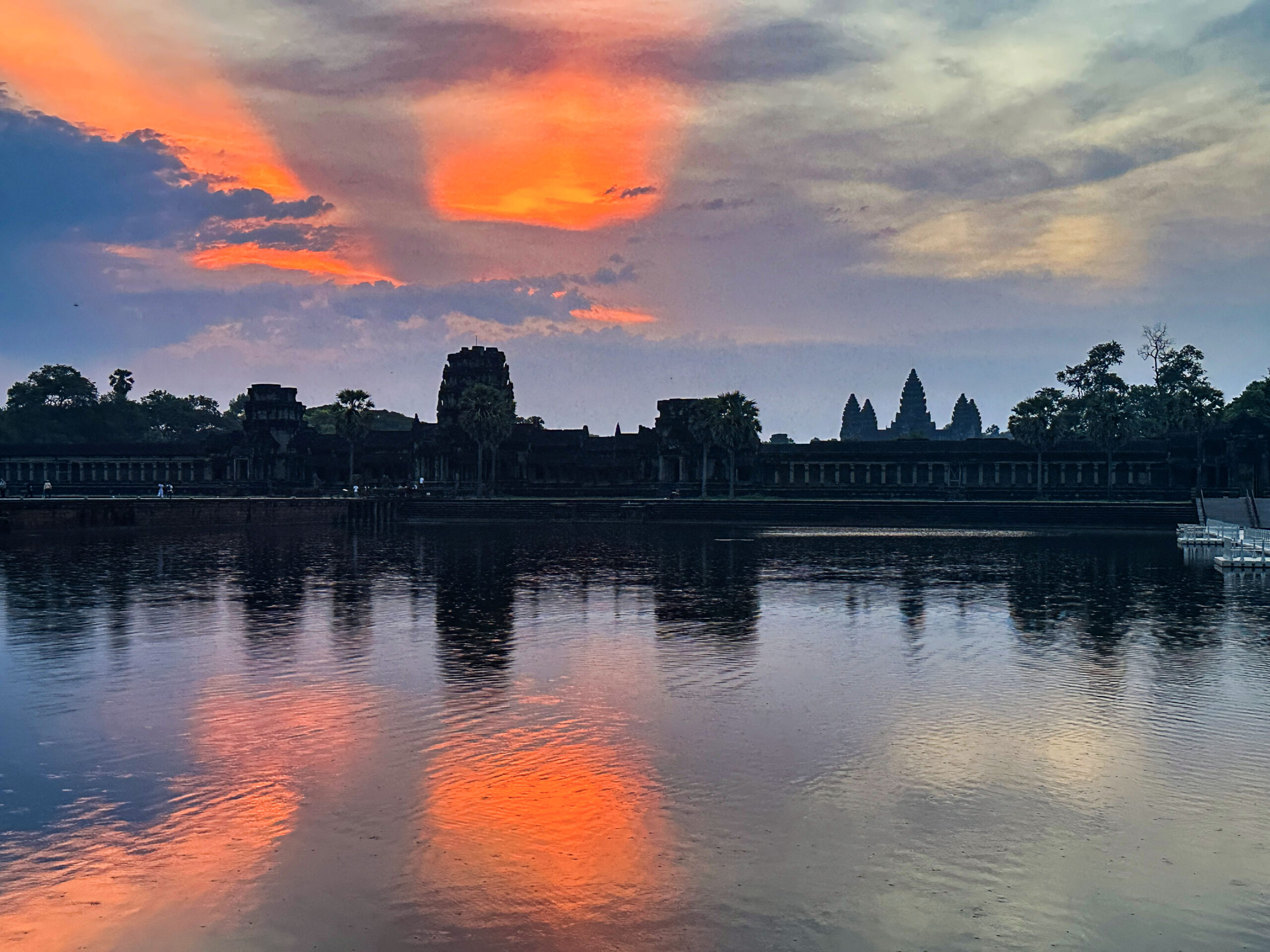
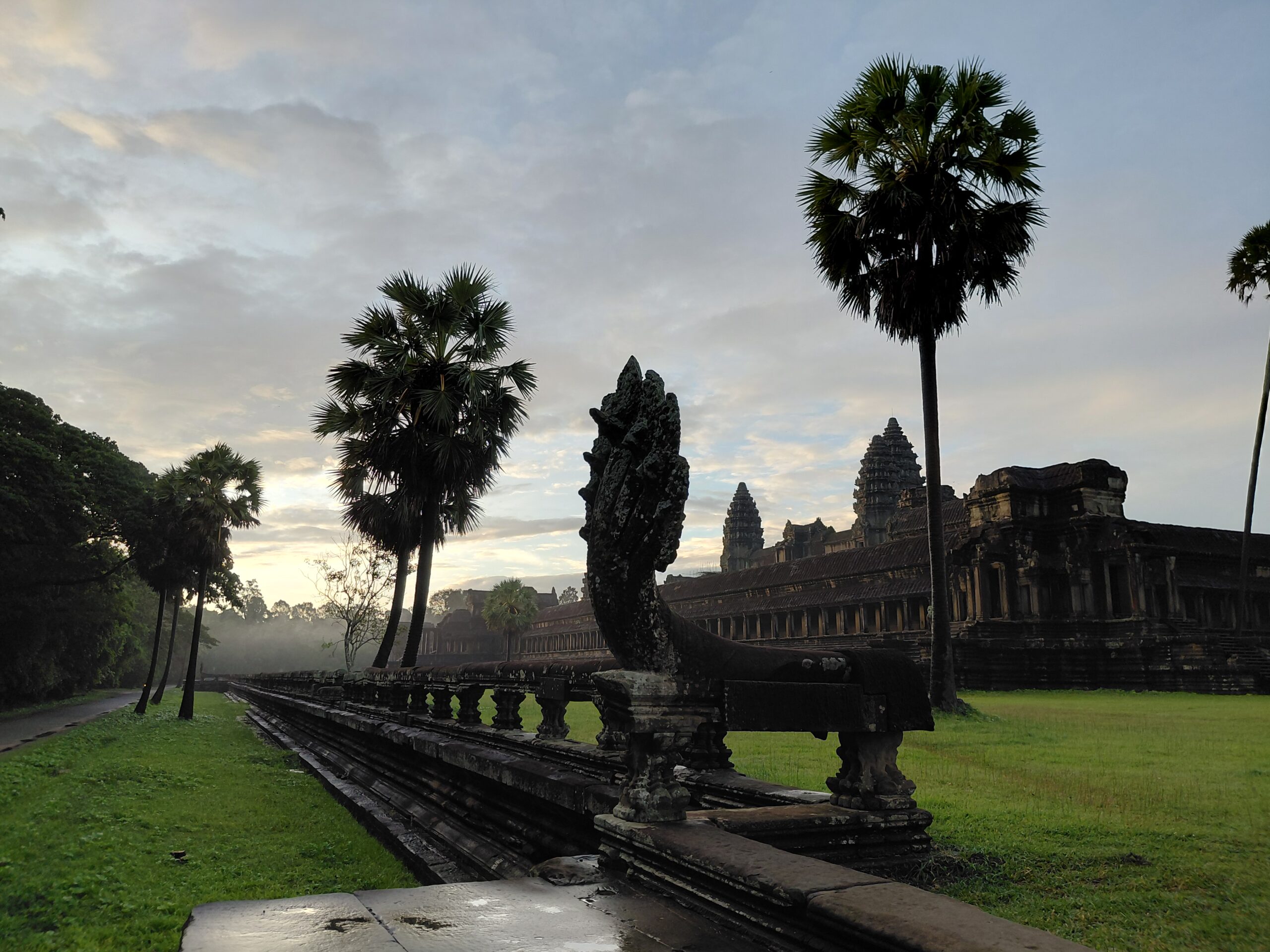
Angkor Wat is Cambodia’s most famous ancient temple and one of the world’s greatest architectural masterpieces. Built in the early 12th century during the reign of King Suryavarman II, it was originally dedicated to the Hindu god Vishnu before later becoming a Buddhist temple. Located near Siem Reap, Angkor Wat is renowned for its five magnificent towers, extensive bas-reliefs, grand galleries, and impressive moat. The temple represents Mount Meru, the center of the universe in Hindu and Buddhist beliefs. Today, Angkor Wat is Cambodia’s national symbol and a UNESCO World Heritage Site, attracting visitors from around the world to admire its history, beauty, and cultural significance.
2. The Jungle of ancient building called Tomb Raider Movie by Angelina Jolie
 🌿 Ta Prohm Temple
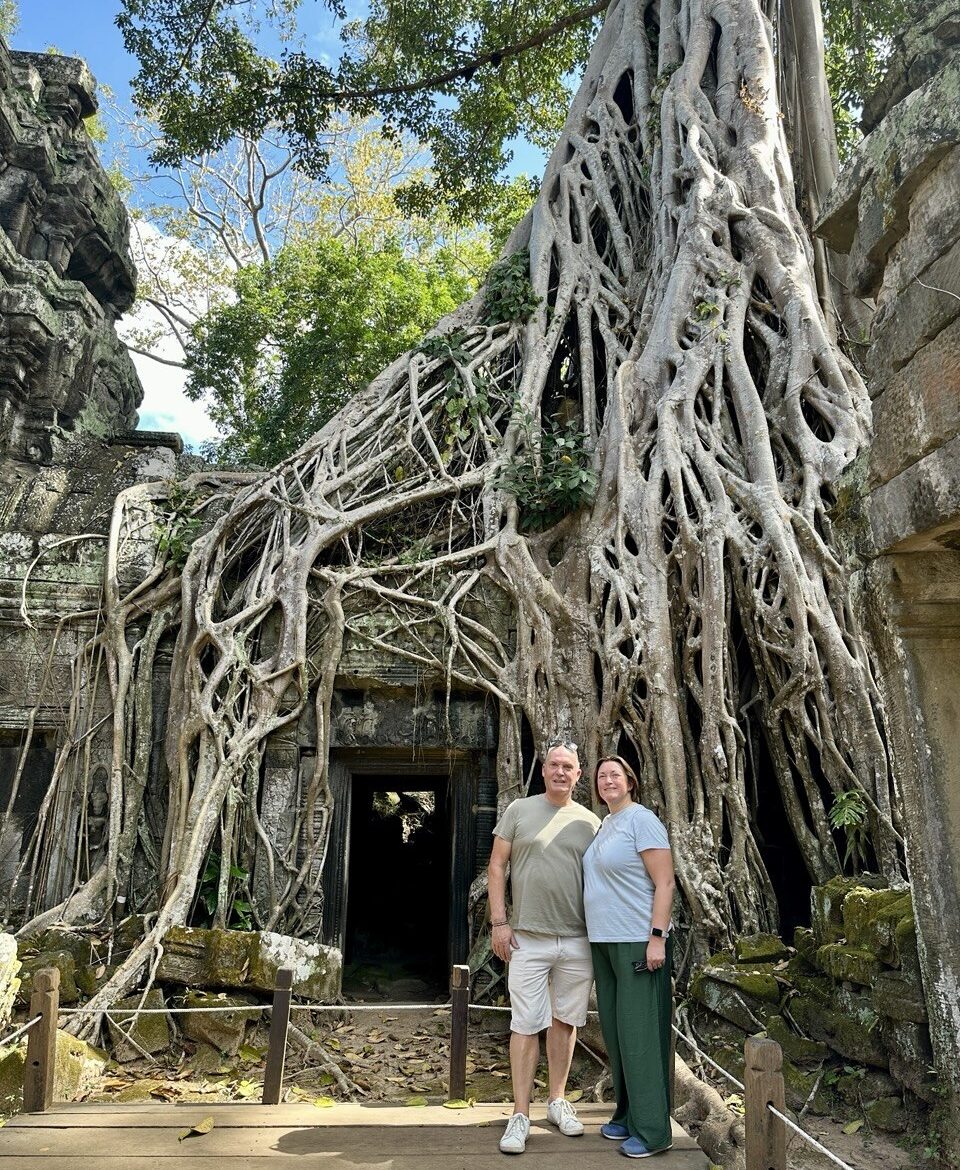
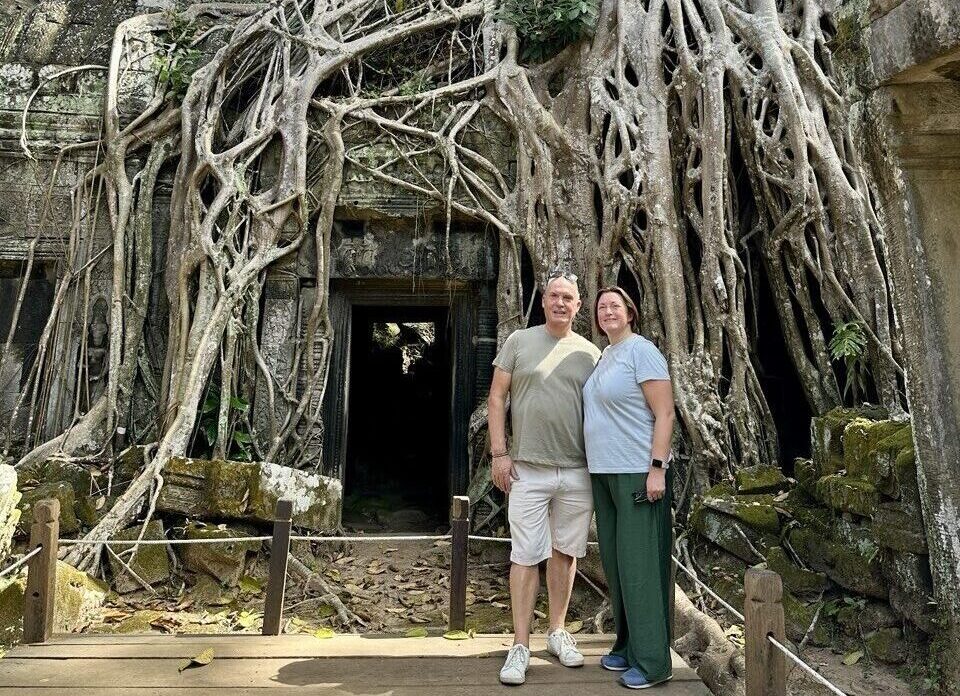
Ta Prohm is one of the most atmospheric and fascinating temples in the Angkor Archaeological Park, near Siem Reap, Cambodia. Built in the late 12th and early 13th centuries during the reign of King Jayavarman VII, the temple was originally known as Rajavihara, meaning “Royal Monastery.” It was dedicated to Prajnaparamita, the Buddhist personification of wisdom, in honor of the king’s mother. Ta Prohm is famous for its impressive stone galleries, carved reliefs, towers, and massive tree roots growing over the ancient ruins. Unlike many other temples, Ta Prohm has been intentionally preserved with much of its jungle setting, creating a mysterious and romantic atmosphere. Its unique combination of ancient architecture and nature makes Ta Prohm one of Cambodia’s most memorable and photographed temples.

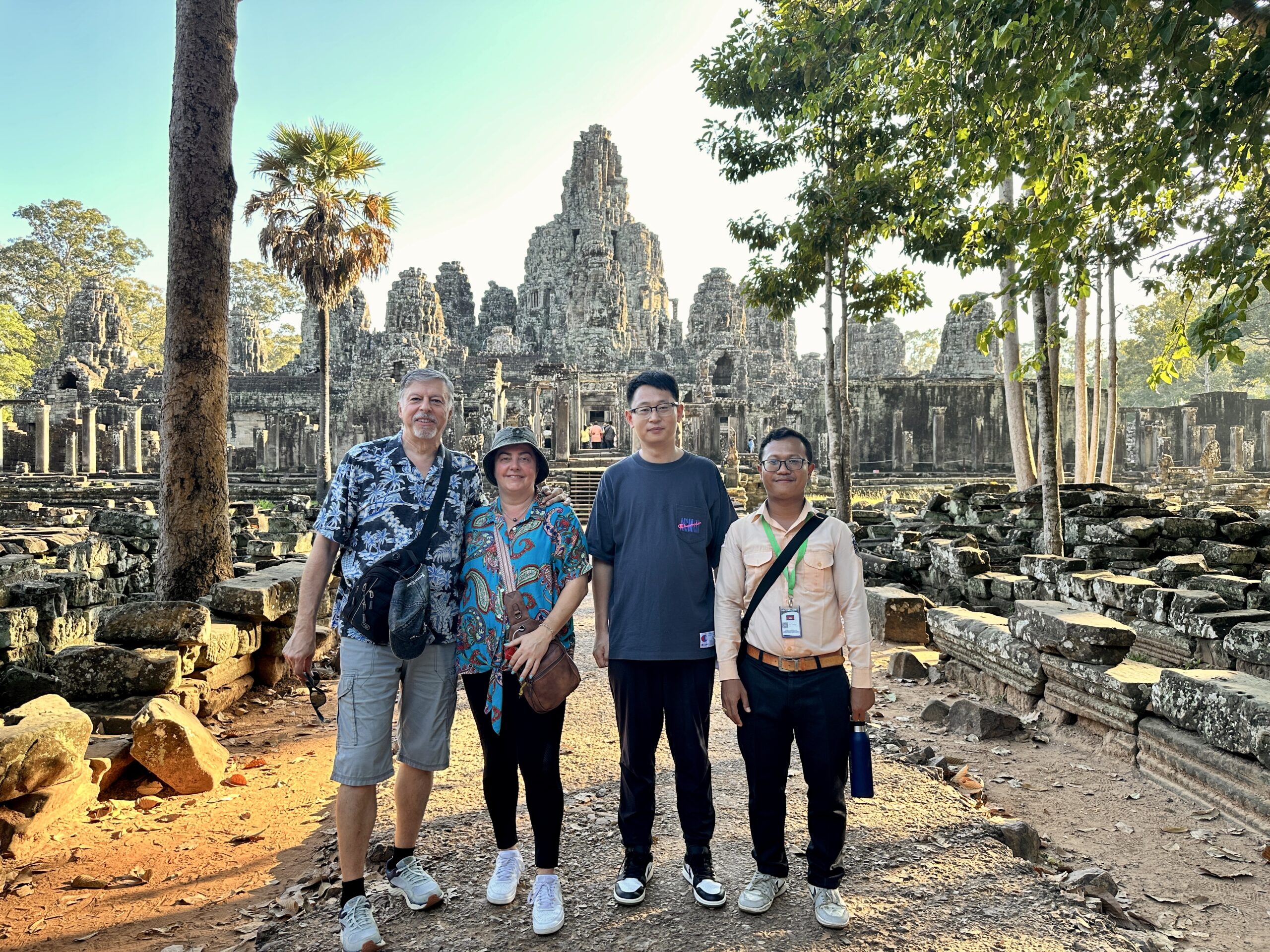
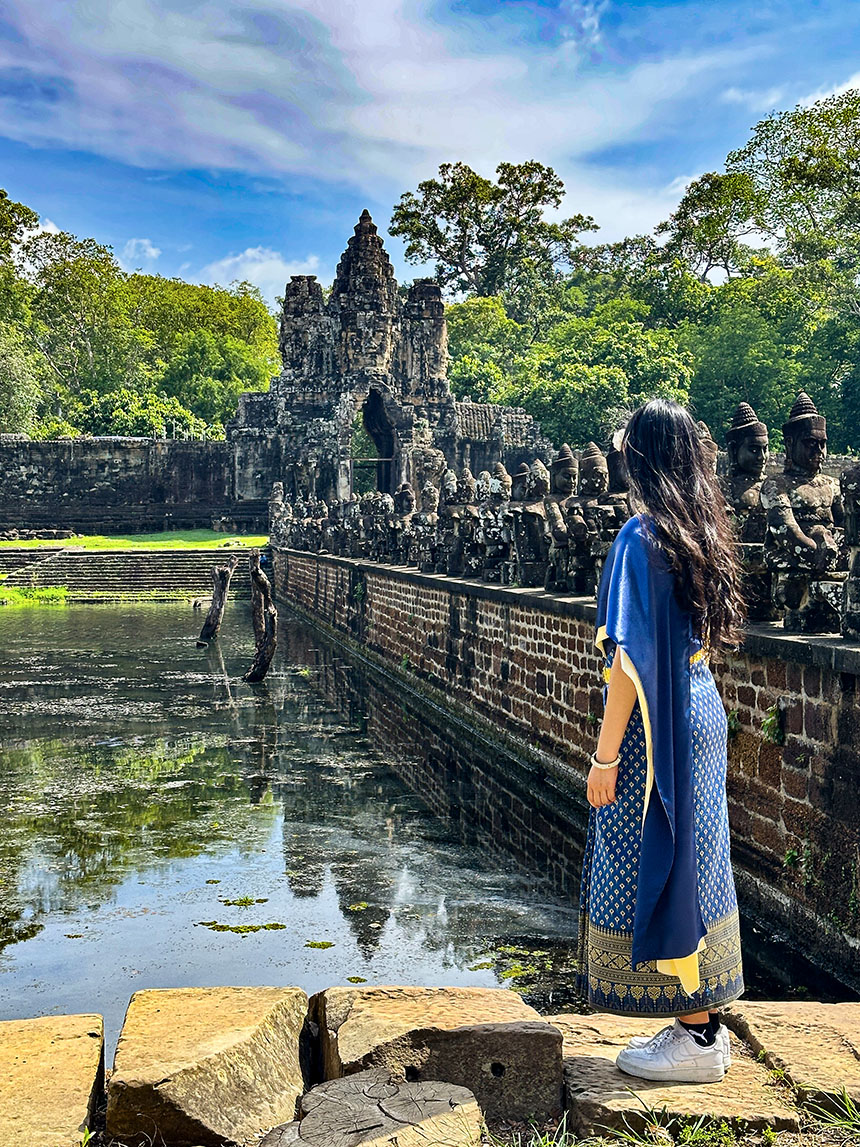
Angkor Thom, meaning “Great City,” was the last and most magnificent capital of the Khmer Empire, established by King Jayavarman VII in the late 12th century. Surrounded by massive walls and a wide moat, the ancient city was an important center of Khmer politics, religion, and culture. At its heart stands Bayon Temple, famous for its mysterious stone faces and detailed bas-reliefs. Visitors enter through the impressive South Gate, decorated with statues of gods and demons. Within the city, Baphuon represents a remarkable three-tiered temple, while Phimeanakas reflects the royal religious architecture of the Khmer period. The Terrace of the Elephants features beautifully carved elephants and served as a ceremonial viewing platform. Nearby, the Terrace of the Leper King is renowned for its intricate carvings. Together, these monuments reveal the grandeur, history, and artistic achievements of Angkor Thom.
✨ Together, these three temples offer an unforgettable journey through Khmer architecture, history, art, and nature.
Purpose & Significance: Built as King Suryavarman II’s state temple and ultimate mausoleum. Unlike most Khmer temples oriented East, Angkor Wat uniquely faces West—a direction tied to death and the deity Vishnu.
Architecture & Symbolism: Designed as a grand spatial representation of Hindu cosmology. Its surrounding 190-meter-wide moat symbolizes the cosmic ocean, while the outer walls and three rising galleries represent the continents and outer worlds. The five central lotus-bud towers represent the peaks of Mount Meru, home of the gods.
Must-See Highlights:
Outer Bas-Relief Galleries: Intricate, massive stone carvings depicting scenes from the Mahabharata, Ramayana, and King Suryavarman II’s royal procession.
The Churning of the Ocean of Milk: A famous relief carving depicting devas (gods) and asuras (demons) using a giant serpent to churn the ocean for the nectar of immortality.
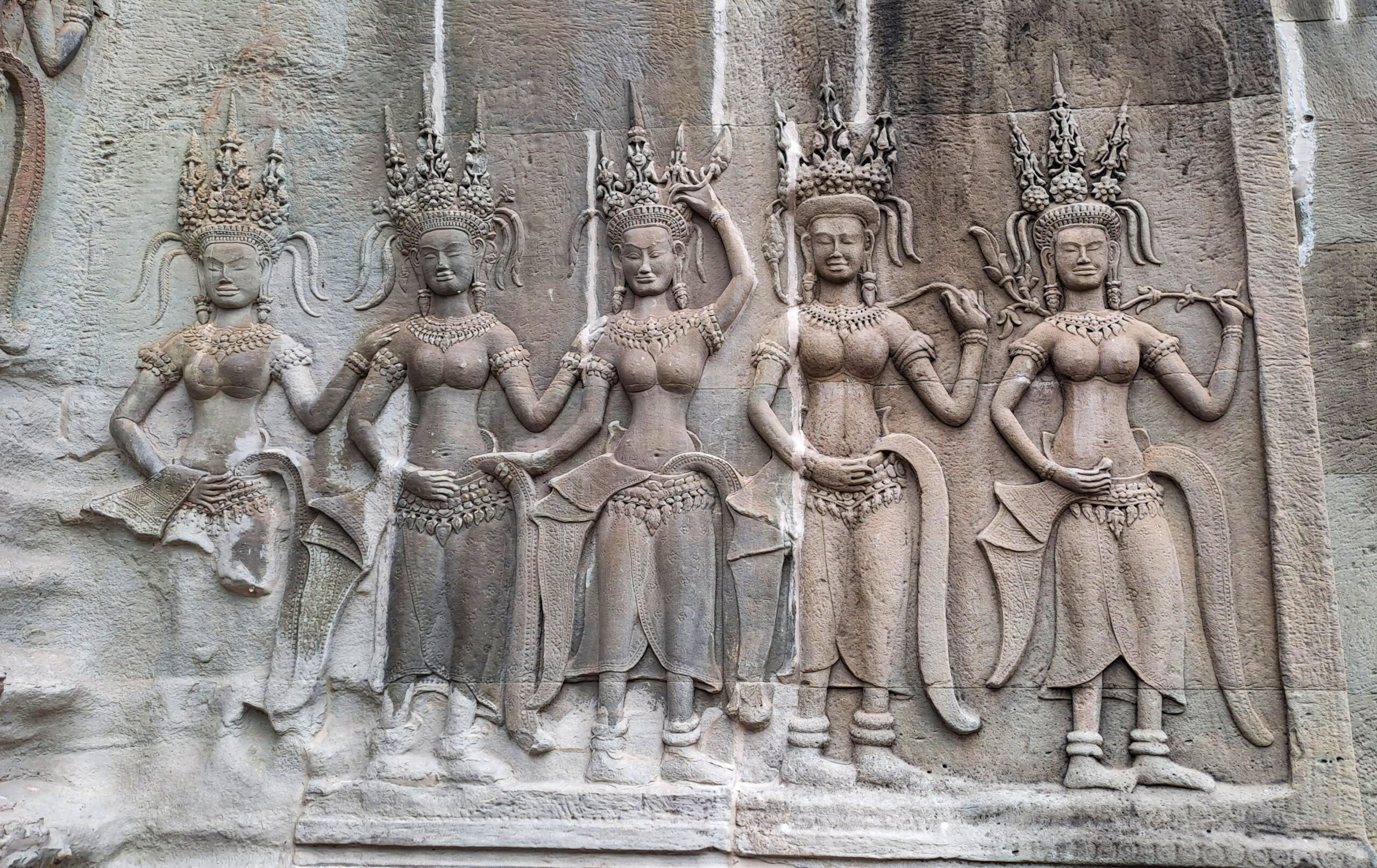
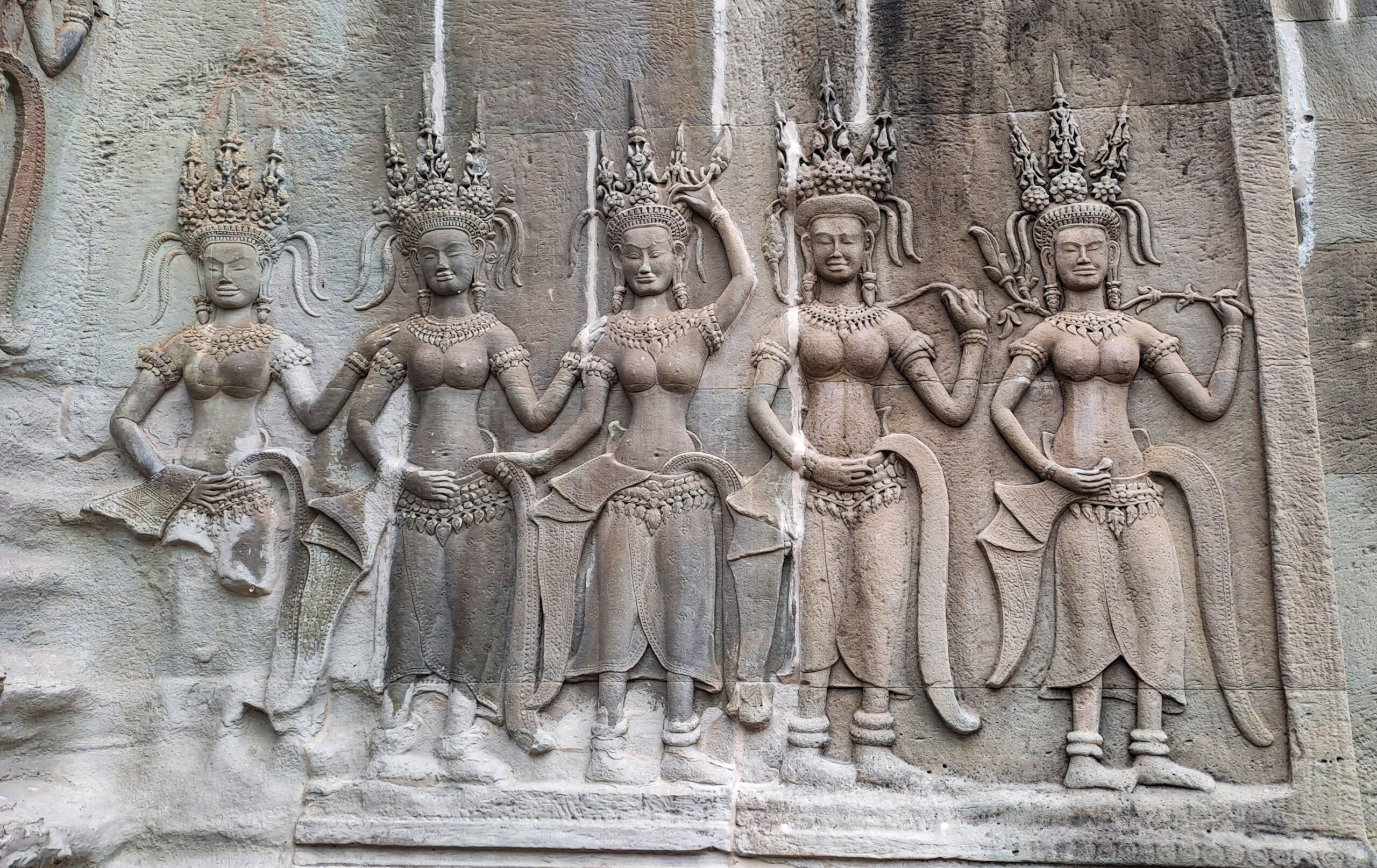
Apsara Reliefs: More than 1,800 uniquely carved celestial dancers adorn the walls.
Purpose & Significance: Built by Jayavarman VII as a royal Mahayana Buddhist monastery and university. It was dedicated to his mother and housed over 12,000 people at its peak, including high priests and dancers.
Architecture & Preservation: Left largely in its semi-ruined state by French archaeologists to showcase the dramatic tension between human engineering and nature. Massive roots of Silk-Cotton (Ceiba pentandra) and Strangler Fig (Ficus gibbosa) trees wrap over crumbling stone corridors, both supporting and slowly crushing the structures.
Must-See Highlights:
The “Tomb Raider Tree”: The central courtyard location made famous by Angelina Jolie’s 2001 film.
Crocodile Tree: A massive root system stretching across an entire stone wall like a prehistoric creature.
The Stegosaurus Carving: A curious relief on a stone pillar that superficially resembles a plated dinosaur, sparking endless visitor debate.
Purpose & Significance: Positioned at the exact geometric center of the walled city of Angkor Thom. It was the official state temple of Jayavarman VII and marked the empire’s ideological shift from Hinduism to Mahayana Buddhism.
Architecture & Symbolism: Known for its dense, chaotic forest of stone towers adorned with giant, smiling stone faces looking out toward the four cardinal directions. Scholars debate whether the faces represent Avalokiteshvara (the Bodhisattva of Compassion) or an idealized portrait of King Jayavarman VII himself.
Must-See Highlights:
The Upper Terrace: The elevated platform where you stand eye-to-eye with the 200+ giant serene faces.
Historical Outer Bas-Reliefs: Unlike Angkor Wat’s mythological focus, Bayon’s outer walls record 12th-century daily life—including market scenes, naval warfare with the Cham kingdom, cockfights, and domestic cooking.
Small Circuit Route: These three sites form the core of the standard “Small Circuit” tour route through the Angkor complex.
Suggested Order:
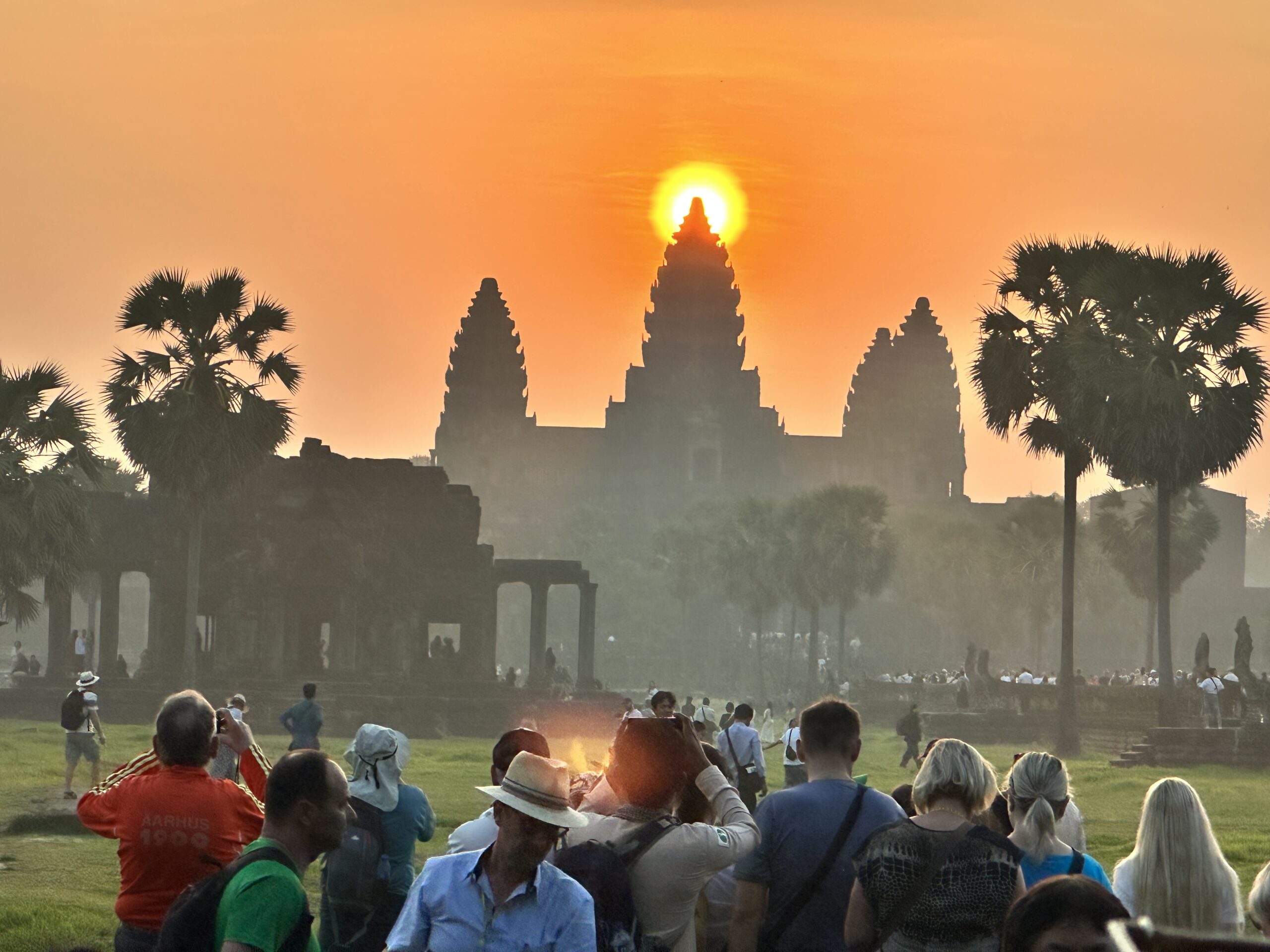
Angkor Wat: Early morning for sunrise over the iconic towers.
Ta Prohm: Mid-morning before the largest crowds arrive, enjoying shaded tree-canopy trails.
Bayon (Angkor Thom): Afternoon, where sunlight hits the face towers from favorable angles for photography.
| Destination | Angkor National Park |
|---|---|
| Depature | Yes Required |
| Departure Time | 01 April, 2021 8.00AM |
| Return Time | 08 April, 2021 10.00AM |
| Included |
|
| Excluded |
|
 Travel With Bus/ Tuk Tuk or SUV Car. Travel With Bus/ Tuk Tuk or SUV Car. |
|
Pellentesque accumsan magna in augue sagittis, non fringilla eros molestie. Sed feugiat mi nec ex vehicula, nec vestibulum orci semper. Class aptent taciti sociosqu ad litora torquent per conubia nostra, per inceptos himenaeos. Donec tristique commodo fringilla.







Write Your Review