


Absolutely. Here is a detailed, well-structured 3-day Siem Reap itinerary combining the Angkor Wat Small Circuit, Grand Circuit with Banteay Srei, Kulen Mountain, and a Tonlé Sap Floating Village. It is designed for a 7:30 AM daily departure, with a practical sightseeing sequence and enough time at the major temples.
Departure: 7:30 AM each day from your hotel in Siem Reap
Destination: Angkor Archaeological Park, Banteay Srei, Kulen Mountain & Tonlé Sap
Best for: First-time visitors, couples, families, photographers, and travelers who want to experience the major highlights of Siem Reap in three days.
Meet your professional guide and driver at your hotel in Siem Reap and travel to the Angkor Archaeological Park.
Your first day focuses on the most famous temples of the Small Circuit, including Angkor Wat, Angkor Thom, Bayon, Ta Prohm, and several surrounding temples.
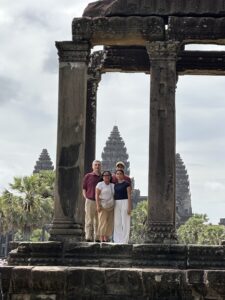
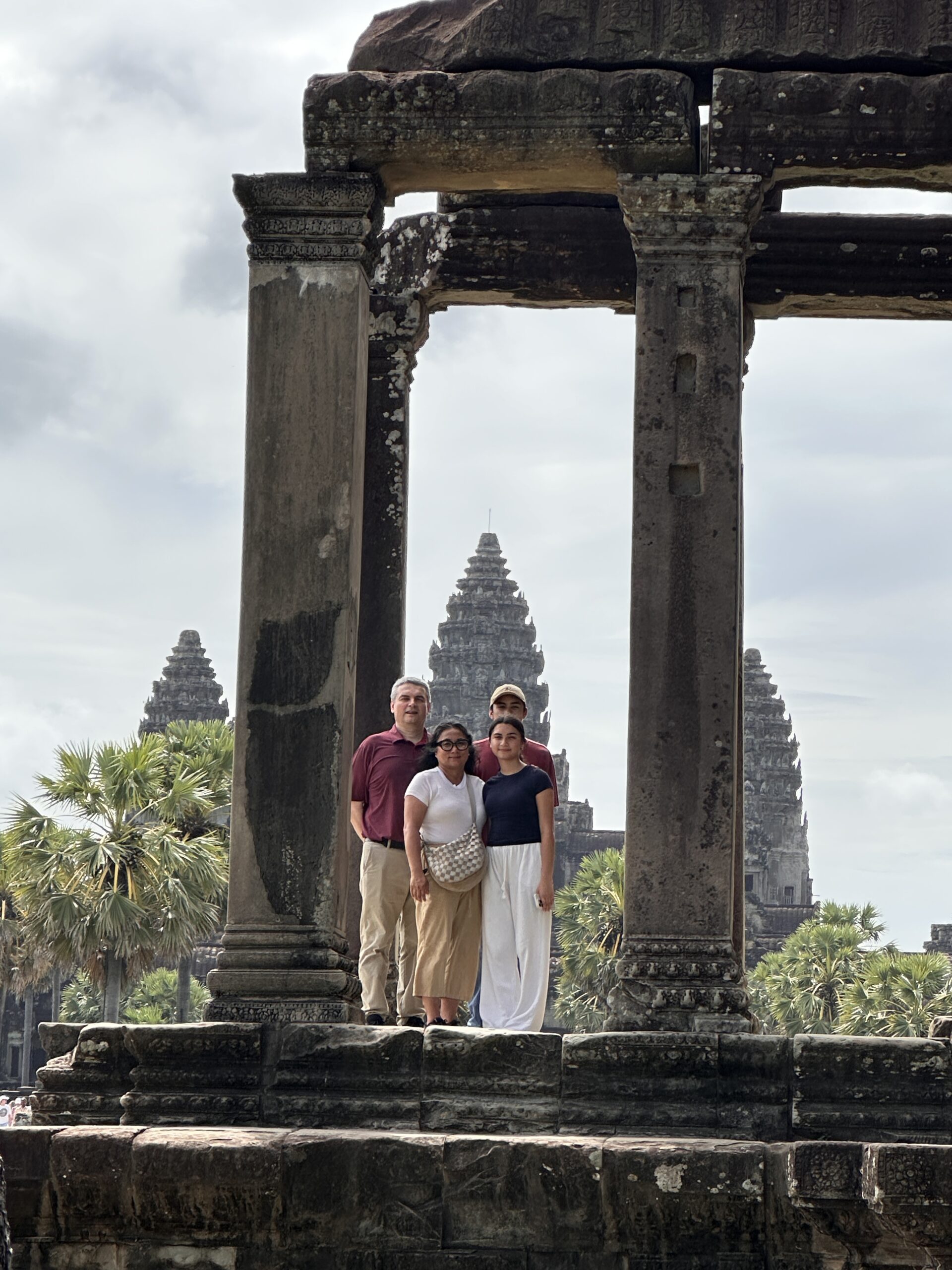
Begin with Angkor Wat, Cambodia’s most iconic temple and the centerpiece of the Angkor Archaeological Park. Built in the early 12th century under King Suryavarman II, Angkor Wat was originally dedicated to the Hindu god Vishnu. The temple is famous for its enormous galleries, bas-reliefs, five central towers, extensive moats, and detailed carvings. Allow approximately 2–2.5 hours to explore the temple.
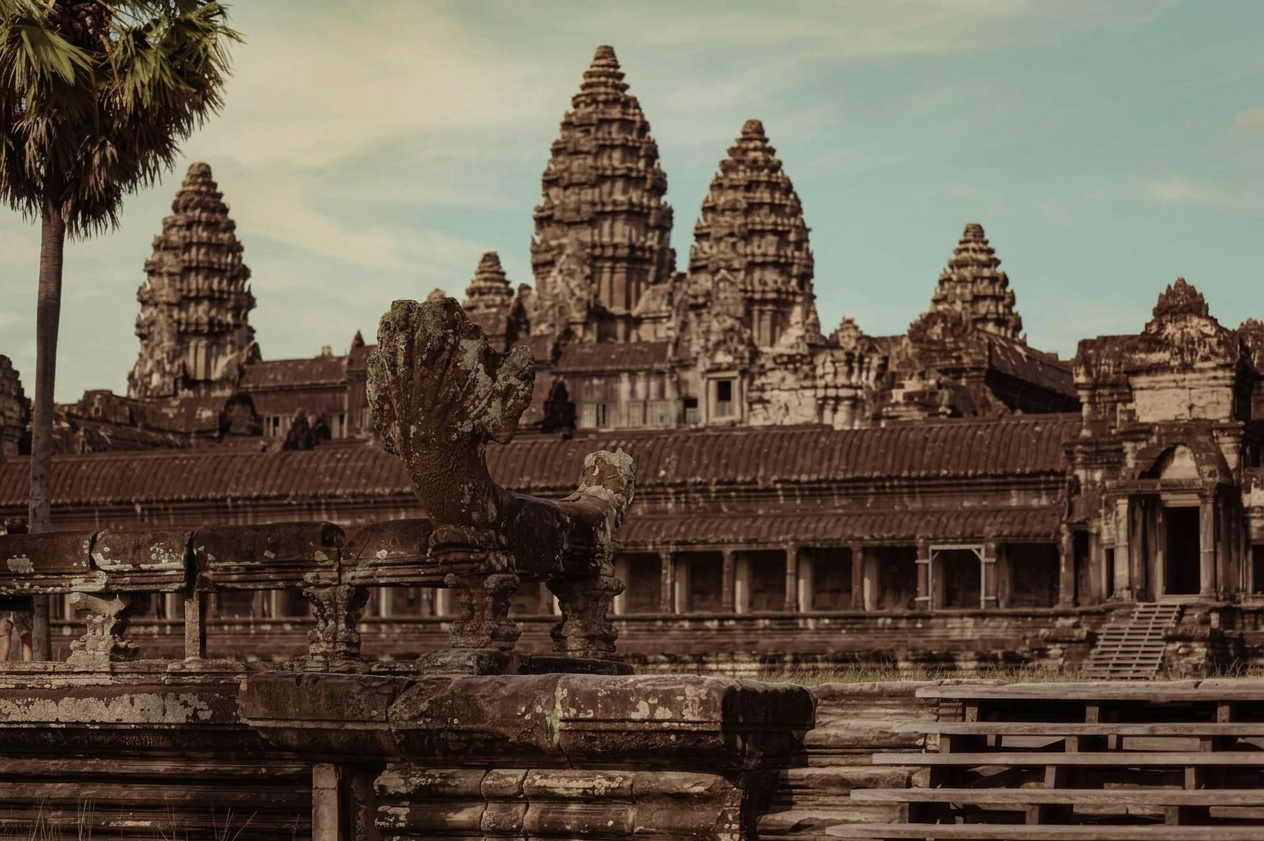
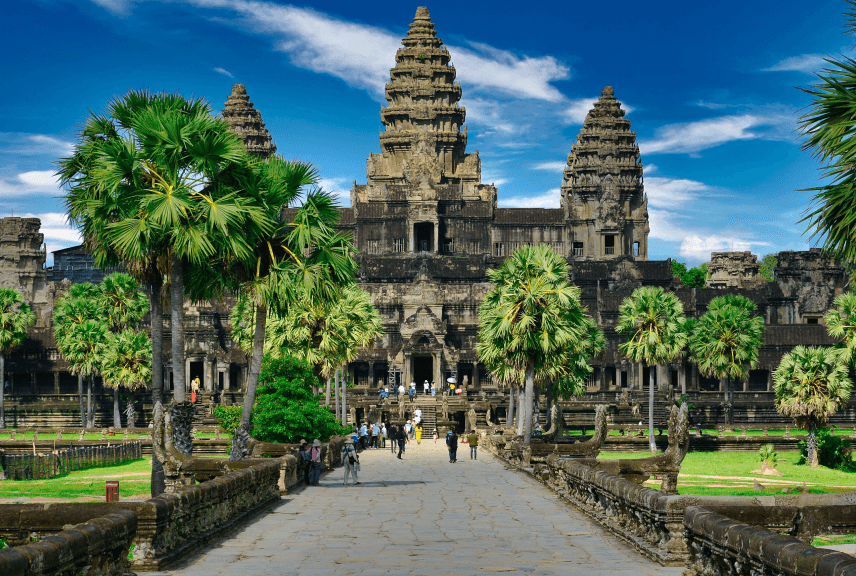
 Angkor Wat is Cambodia’s most famous monument and one of the greatest architectural achievements of the Khmer Empire. Built in the early 12th century during the reign of King Suryavarman II, the temple was originally dedicated to the Hindu god Vishnu before later becoming an important Buddhist sanctuary.
Angkor Wat is renowned for its impressive scale, harmonious architecture, and beautifully carved sandstone galleries. The temple is surrounded by a vast moat and approached by a long stone causeway leading to its magnificent entrance. At its center stand five iconic towers representing Mount Meru, the sacred mountain of Hindu and Buddhist cosmology.
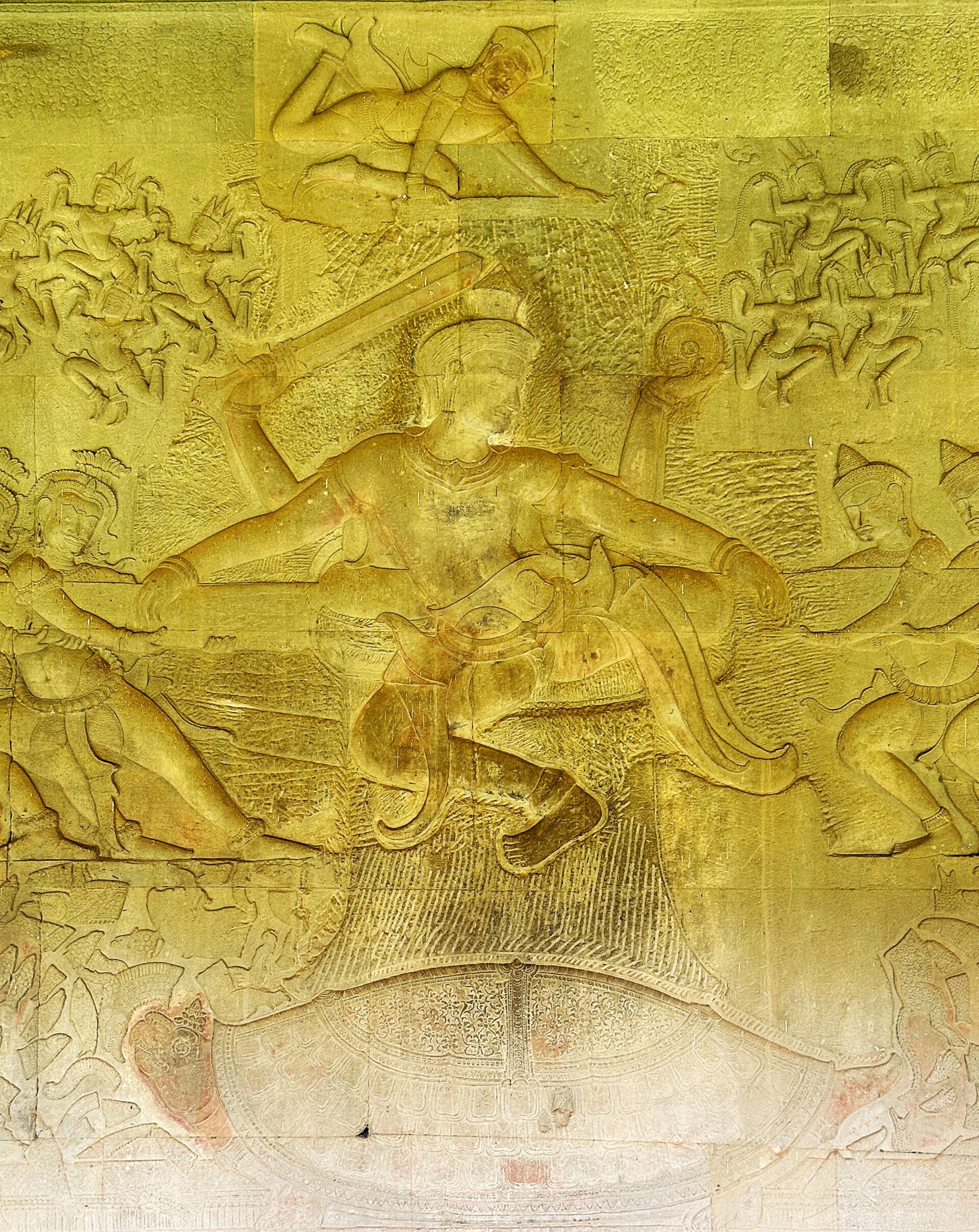
 Inside, visitors can admire extensive bas-reliefs depicting scenes from Hindu mythology, including the famous Churning of the Ocean of Milk, as well as stories of battles and royal processions. The upper galleries offer spectacular views across the temple complex.
Angkor Wat is especially magical at sunrise, when its towers are reflected in the surrounding pools, creating an unforgettable Cambodian experience.
Highlights:
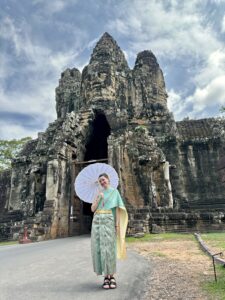 Continue to Angkor Thom, the last great capital of the Khmer Empire.
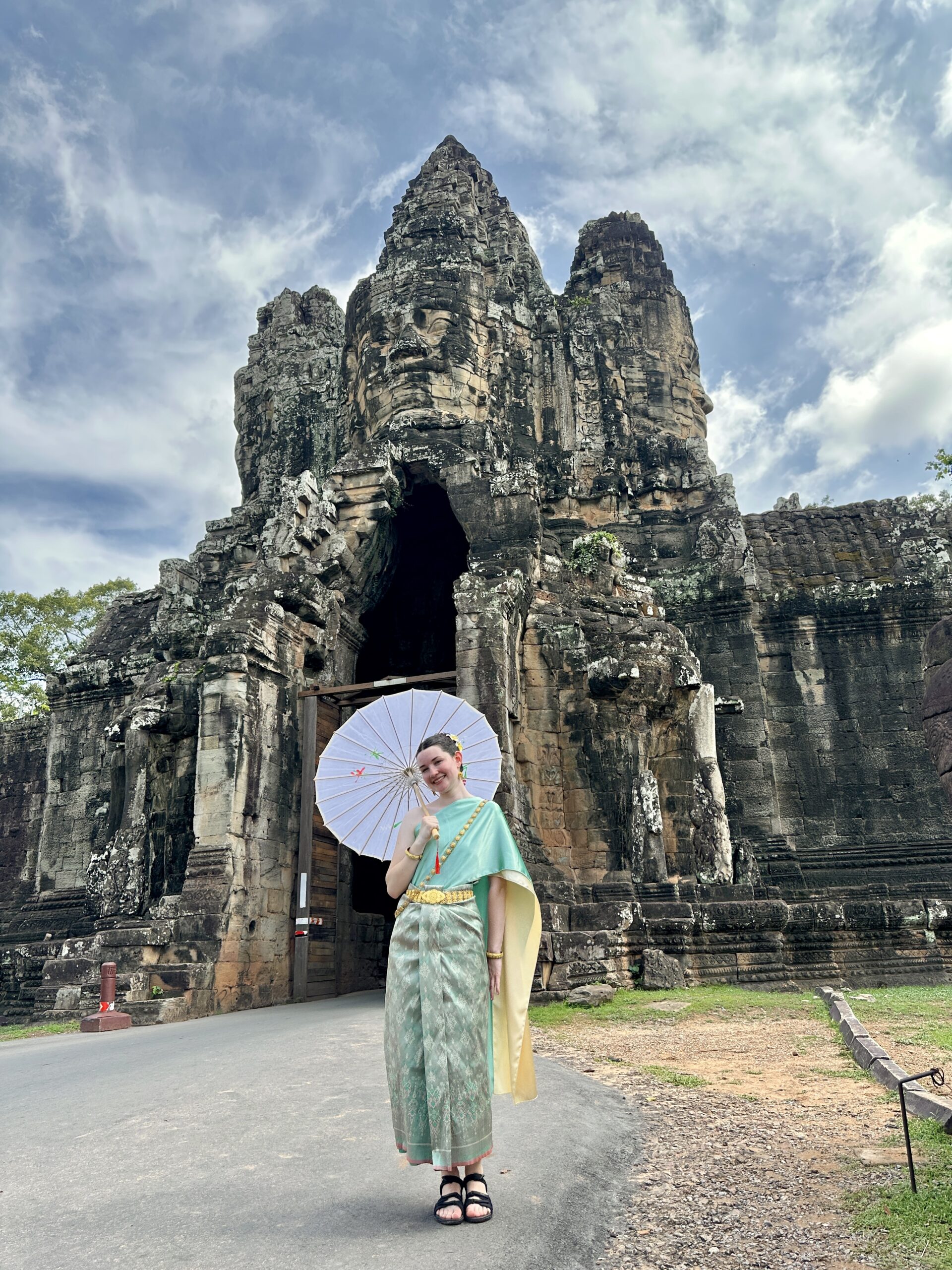
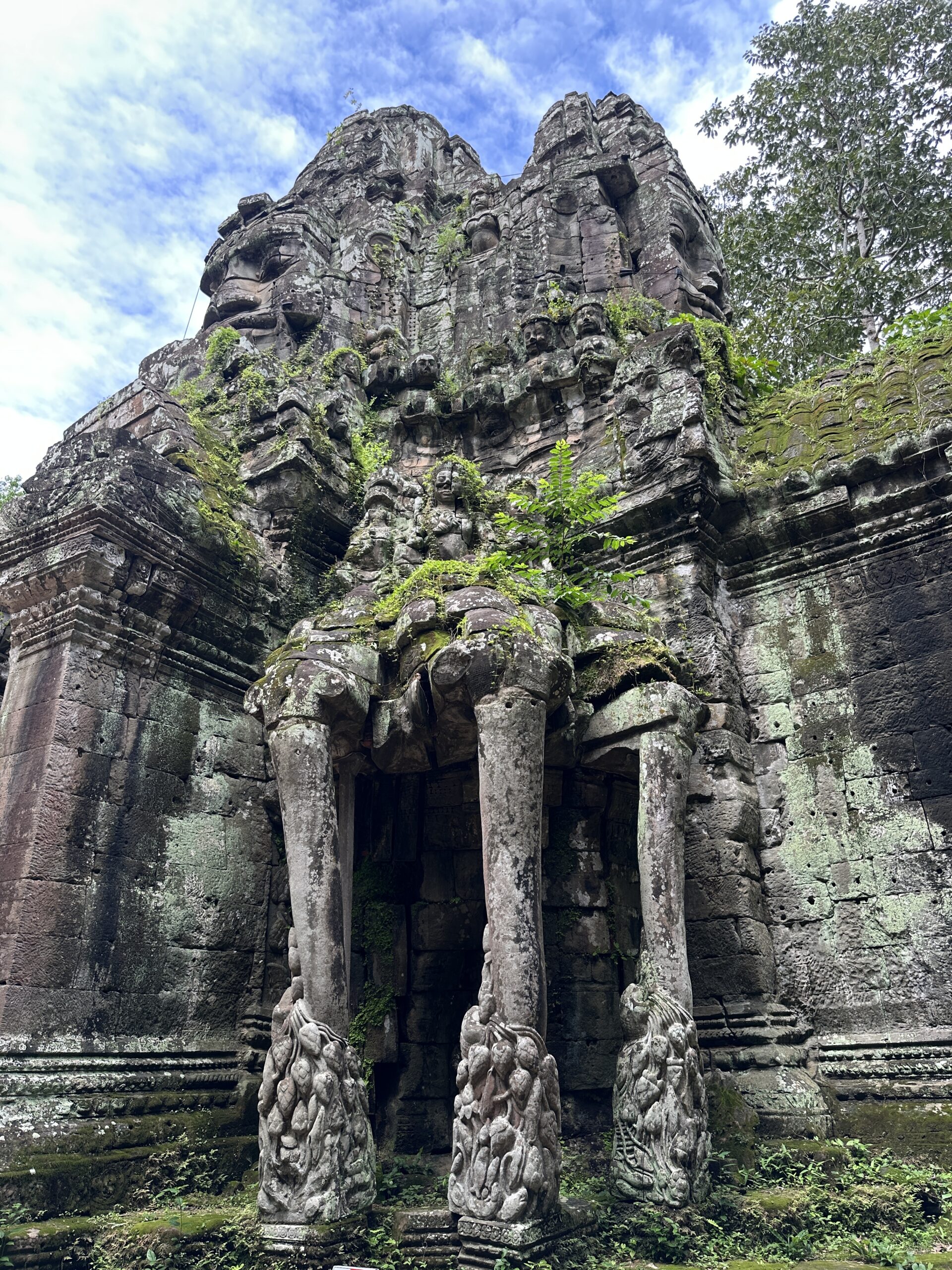
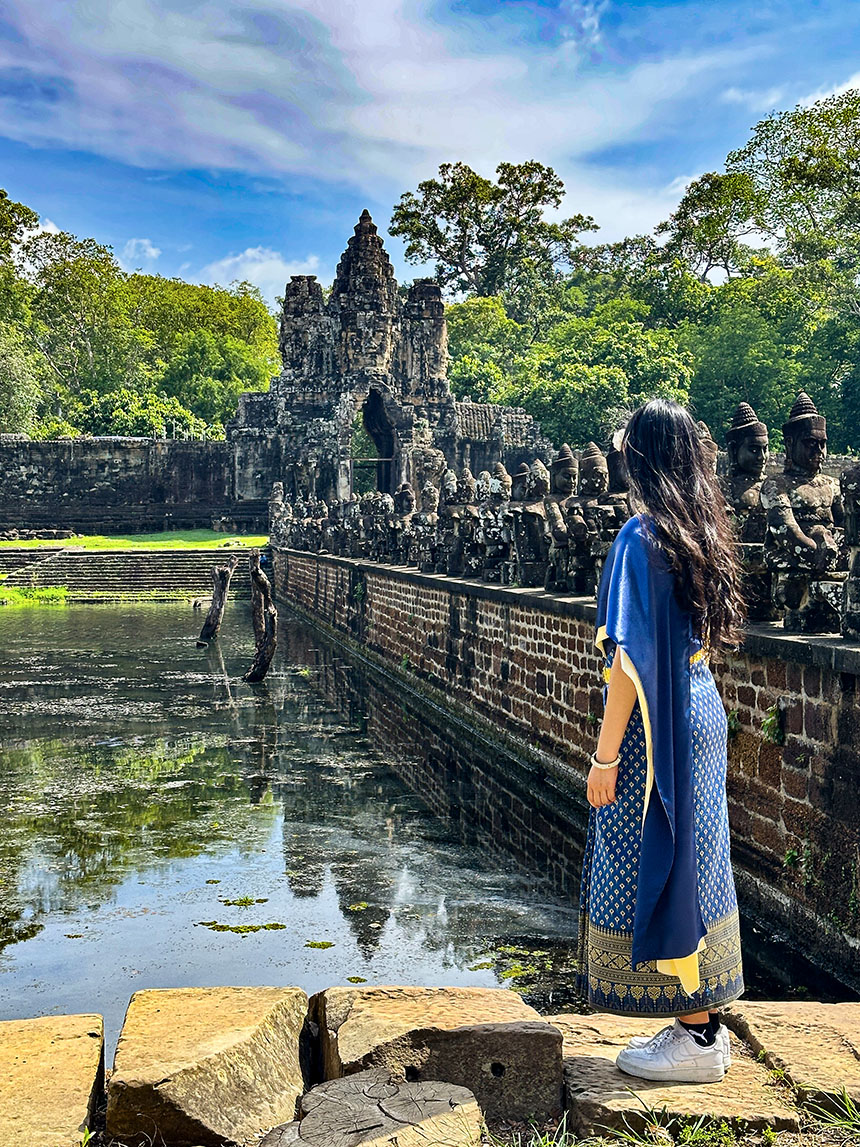
Enter through the impressive South Gate, decorated with monumental statues representing the Devas and Asuras pulling the serpent Vasuki.
Explore Bayon, located at the center of Angkor Thom.
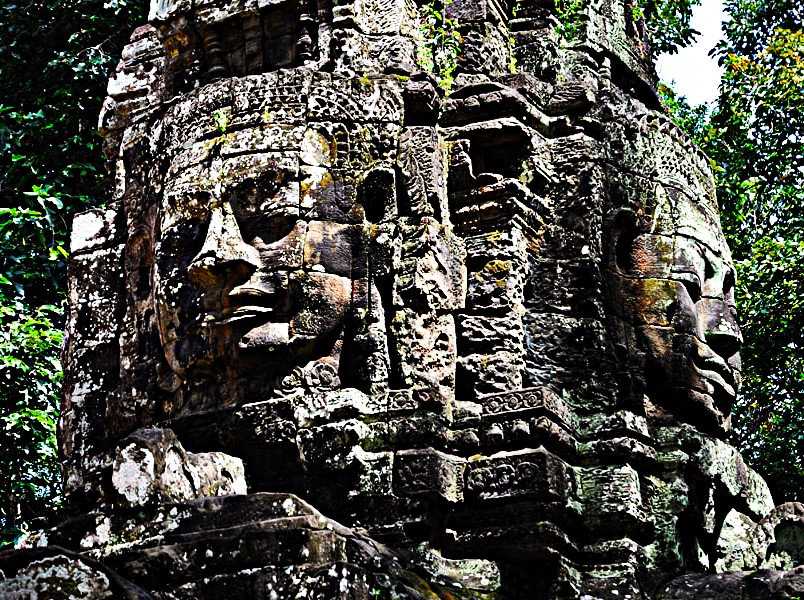
The temple is particularly famous for its mysterious giant stone faces. Many visitors enjoy discovering the smiling faces from different viewpoints as they walk through the temple’s towers.
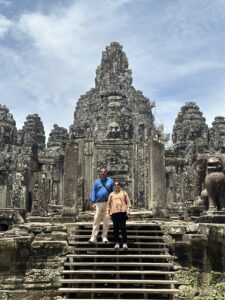
Bayon Temple- Wonder of Smiles
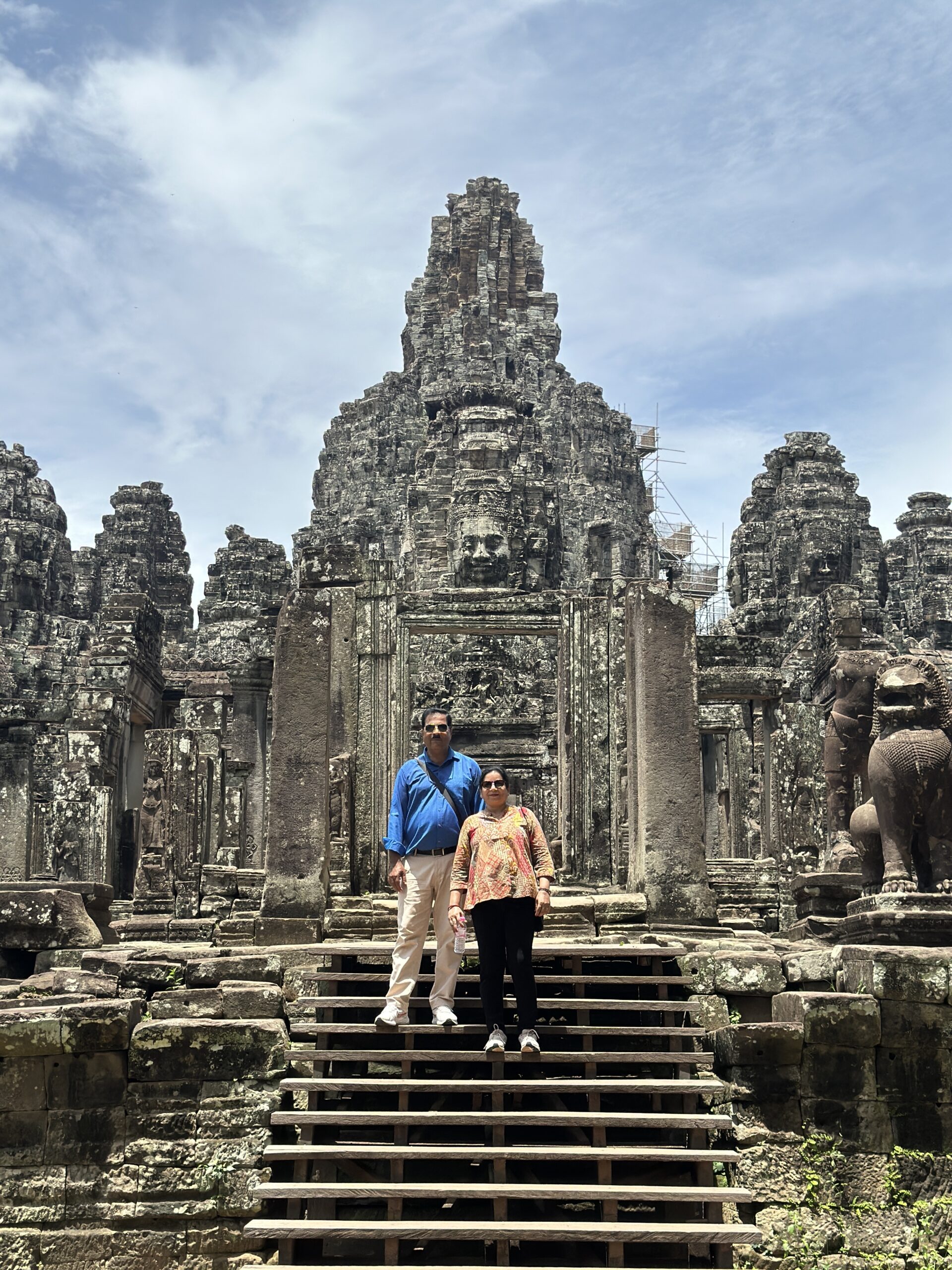
Located at the heart of Angkor Thom, Bayon Temple is one of Cambodia’s most remarkable ancient monuments. Built in the late 12th or early 13th century during the reign of King Jayavarman VII, Bayon was originally a Mahayana Buddhist temple and served as the spiritual center of his great capital.
The temple is famous for its enormous stone faces, often called the “Smiling Faces of Bayon.” More than 200 serene faces decorate its towers, gazing in different directions with mysterious, peaceful expressions. These remarkable sculptures create an unforgettable atmosphere as visitors walk through the temple.
Bayon is also celebrated for its detailed bas-reliefs, which depict Khmer battles, religious stories, royal processions, markets, fishermen, dancers, and scenes of everyday life. Unlike the grand scale of Angkor Wat, Bayon feels intimate and maze-like, with galleries, passages, and towering faces appearing around every corner.
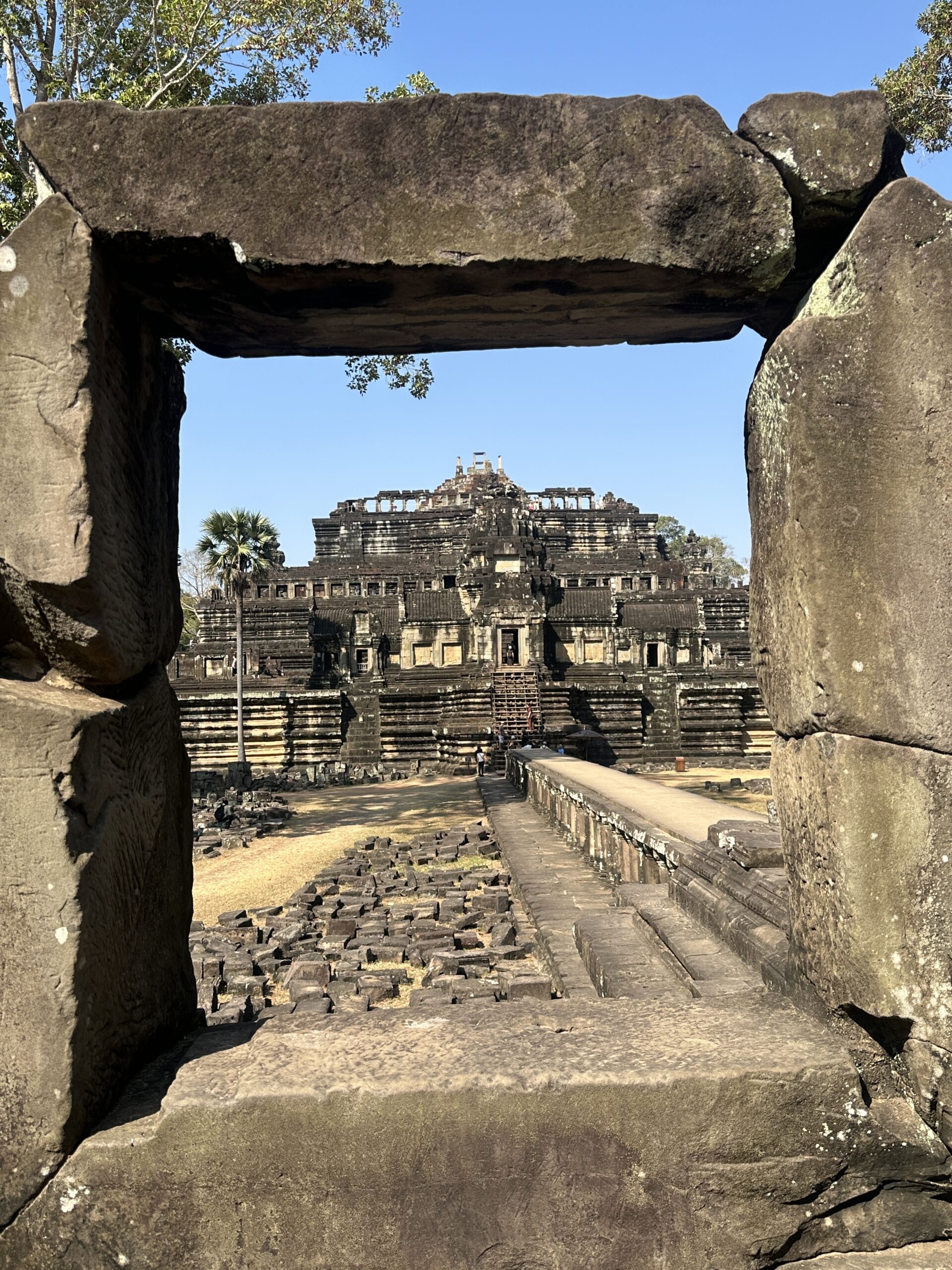
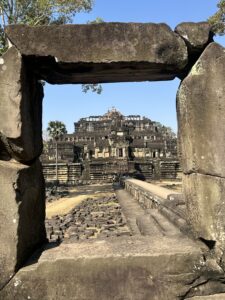 Walk to Baphuon, a large three-tiered temple mountain situated near Bayon.
The temple offers interesting views of Angkor Thom and features a famous reclining Buddha formed from stones on its western side.
Continue through the former royal area of Angkor Thom.
See Phimeanakas, an ancient temple associated with the royal palace complex, and the remains of the Royal Enclosure.
Explore two impressive structures along the former ceremonial area of Angkor Thom. 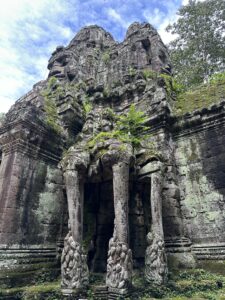
The Terrace of the Elephants is a magnificent 12th-century platform in the heart of Angkor Thom, built during the reign of King Jayavarman VII. It was used by the king as a grand viewing platform for royal ceremonies, processions, and public events. Its walls are richly decorated with carved elephants, lions, warriors, and mythical figures.
Nearby, the Terrace of the Leper King features beautifully detailed carvings of gods, guardians, serpents, and other mythical figures. Its name comes from a statue known as the Leper King, although its original religious meaning remains debated. Together, these terraces offer visitors a fascinating glimpse into the grandeur, artistry, and ceremonial life of the Khmer Empire.
Enjoy lunch at a local restaurant near the Angkor area.
Lunch is normally at your own expense.
After lunch, visit the spectacular Ta Prohm, one of Cambodia’s most atmospheric temples.
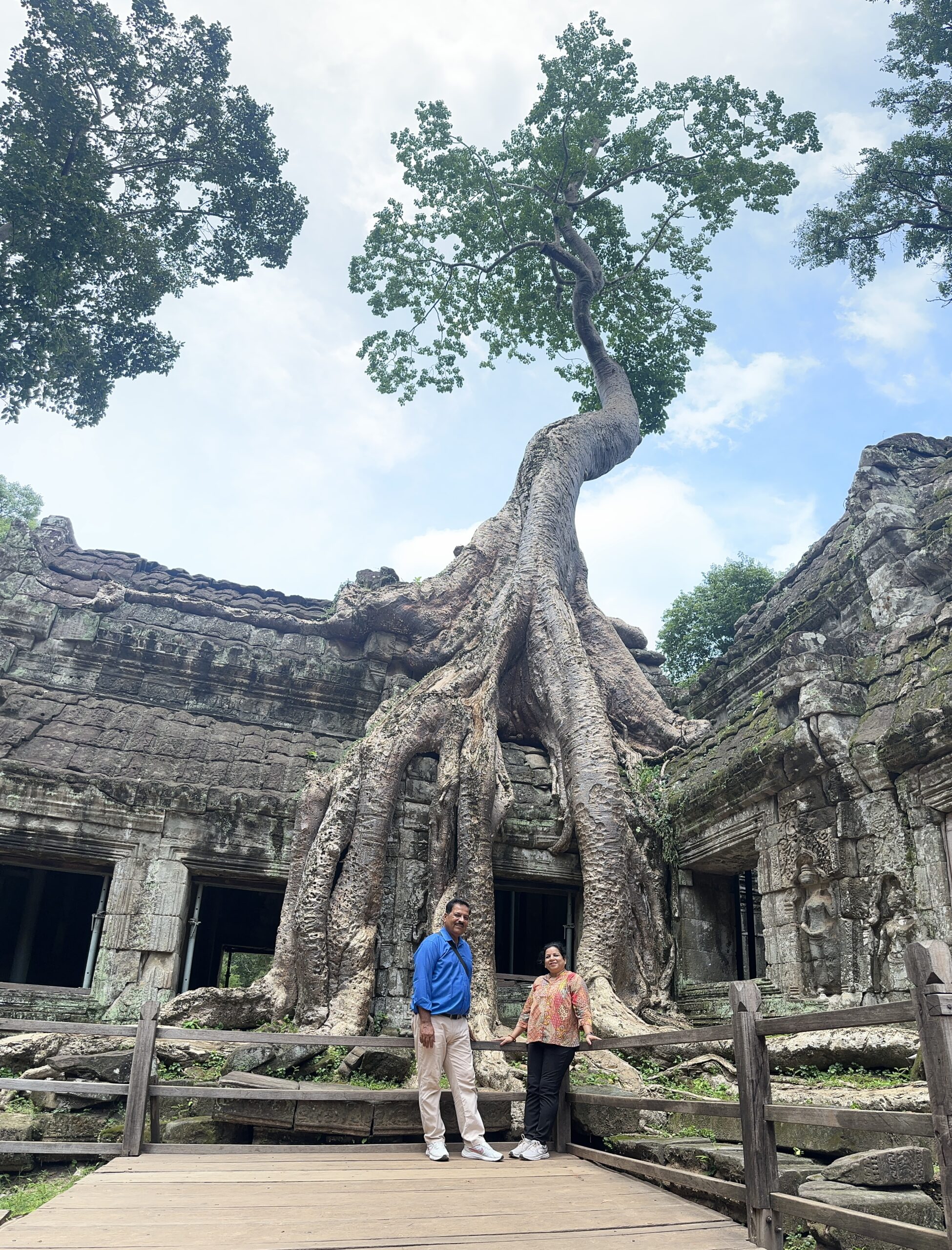
 Ta Prohm, built in the late 12th century by King Jayavarman VII, is one of the most atmospheric temples in the Angkor complex. Originally known as Rajavihara, it was dedicated to the king’s mother and served as a Buddhist monastery and religious center.
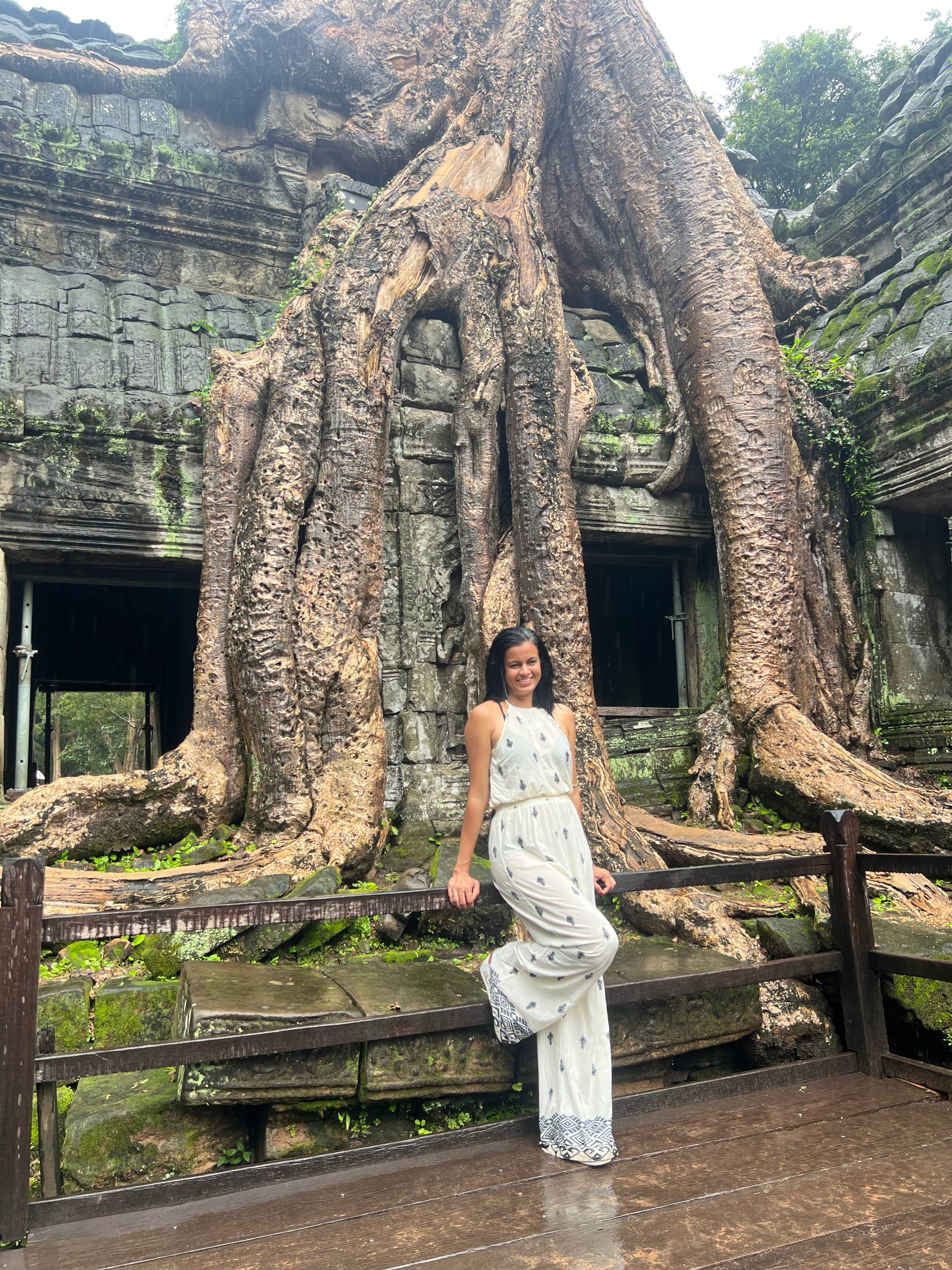
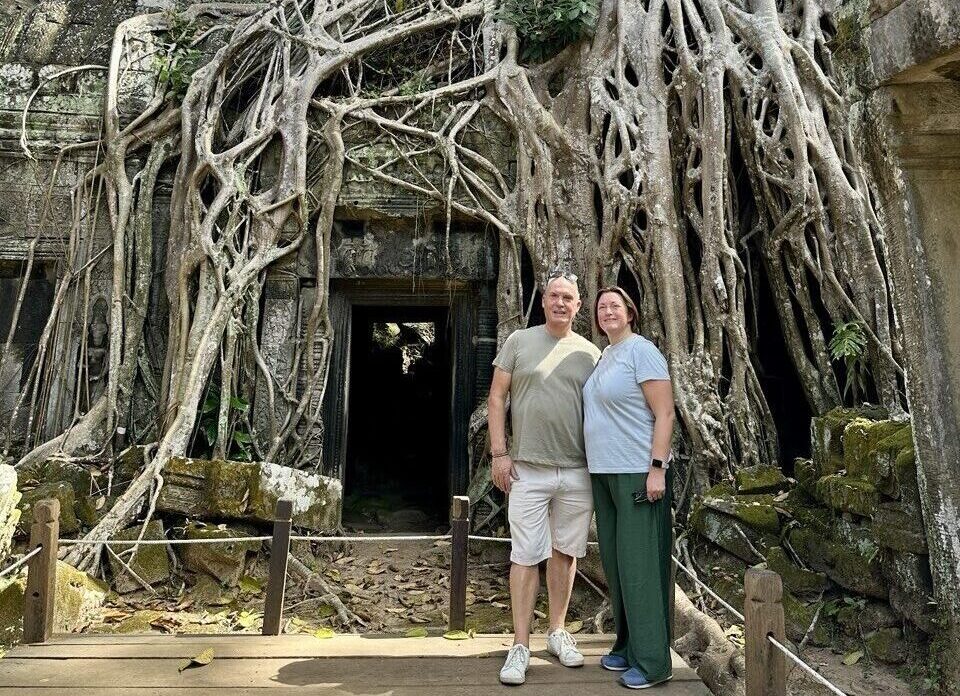
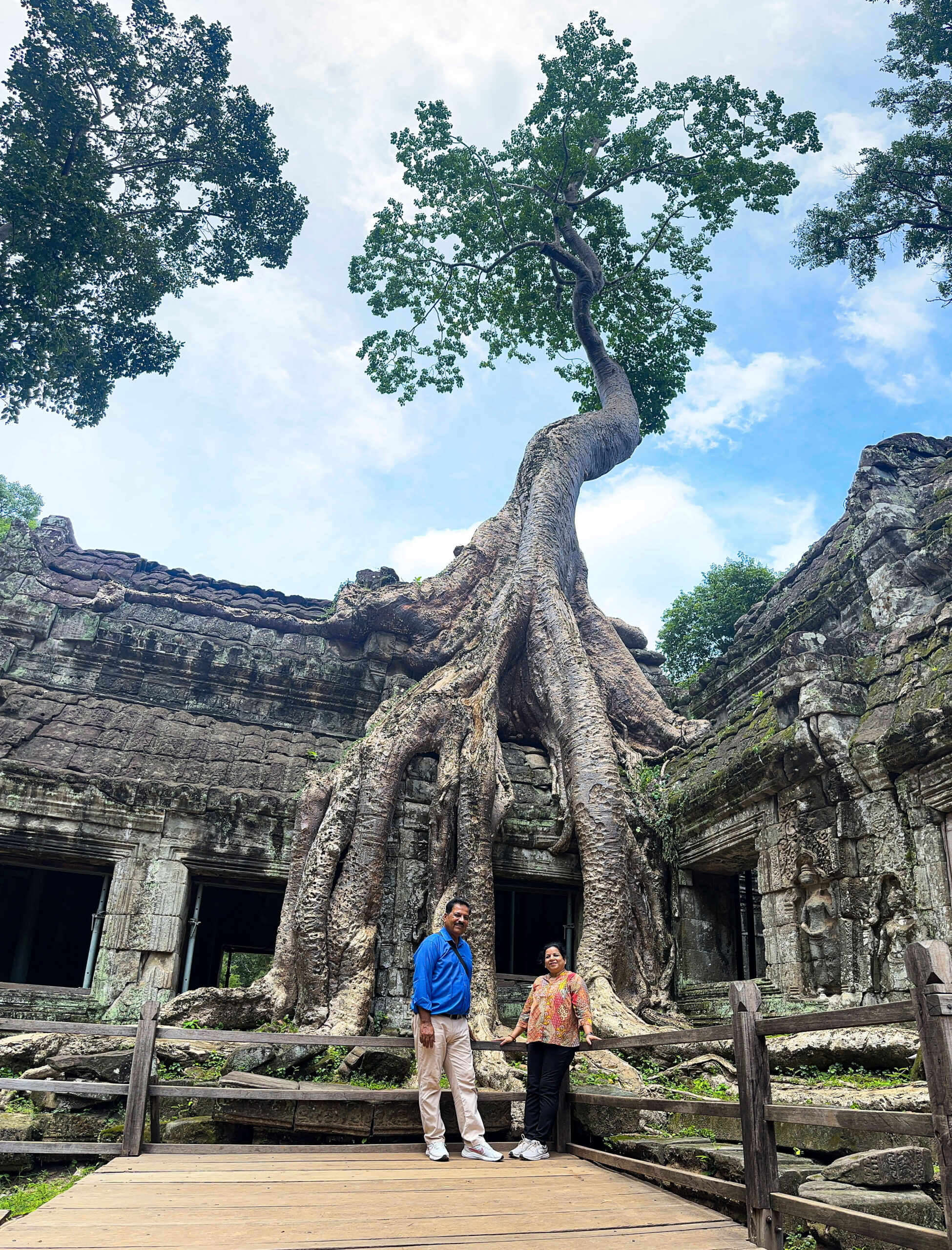
The temple is famous for its spectacular combination of ancient stone ruins and giant trees, whose roots grow over walls, galleries, and doorways. Visitors can explore mysterious corridors, carved bas-reliefs, hidden chambers, and peaceful courtyards surrounded by lush jungle.
Ta Prohm became internationally famous after appearing in the film Tomb Raider. Its untouched appearance creates a unique sense of adventure and allows visitors to imagine how the temples looked when European explorers first encountered them. Top attractions include the giant silk-cotton trees, root-covered galleries, detailed carvings, and atmospheric jungle scenery.
 Continue to Ta Keo Temple – The Mountain of Bronze
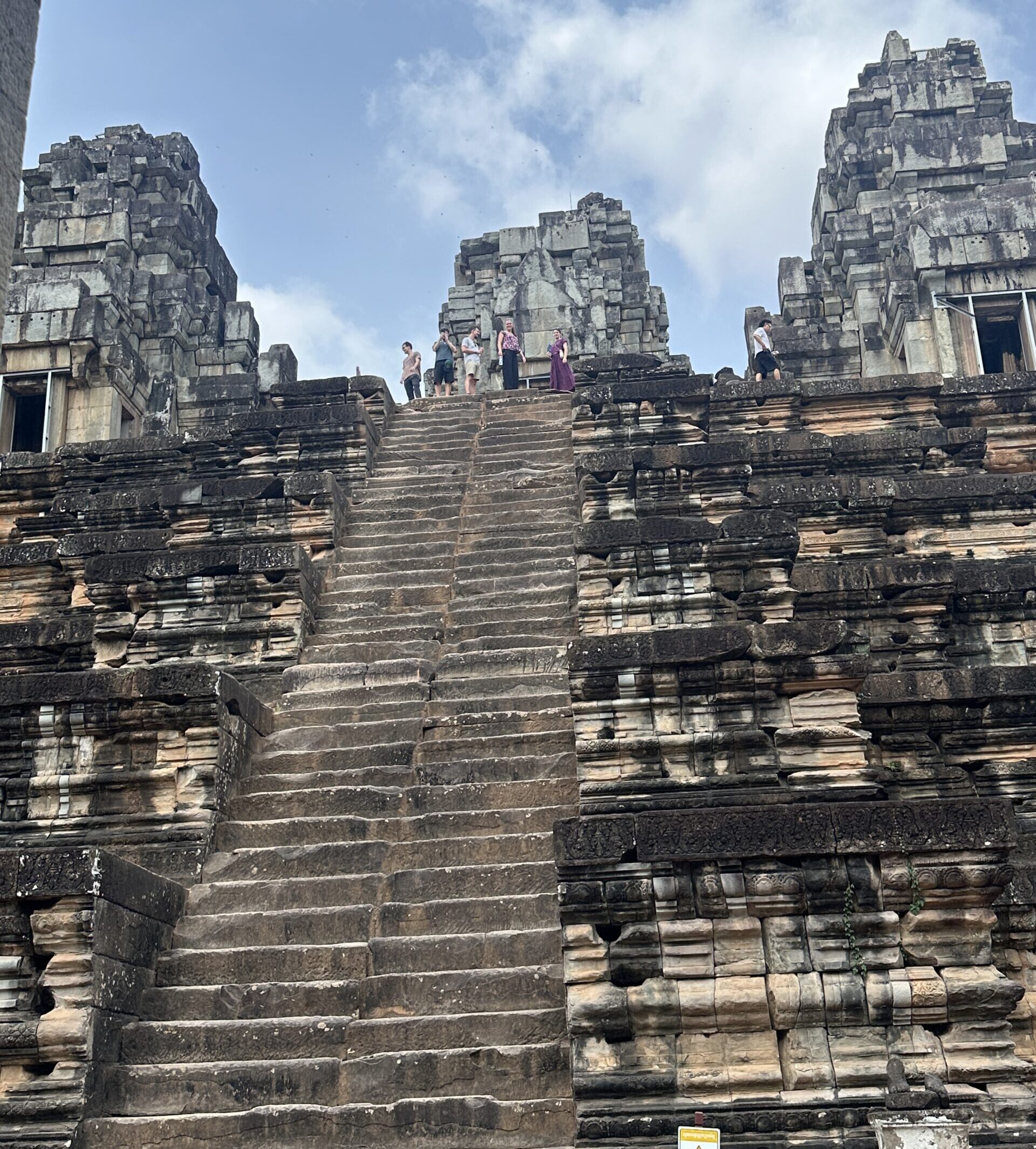
Ta Keo was built in the late 10th to early 11th century under King Jayavarman V and dedicated to the Hindu god Shiva. Constructed mainly from sandstone, it is an impressive five-tiered temple mountain with steep stairways leading to the upper sanctuary.
Attractions include its massive towers, symmetrical layout, unfinished carvings, and elevated views of the surrounding landscape. Ta Keo is notable for its powerful, simple architecture and lack of extensive decoration compared with other Angkor temples. Visitors can experience the temple’s imposing scale while exploring its terraces, galleries, and ancient stone structures.
Its steep terraces provide a wonderful example of early Khmer temple-mountain architecture.
Visit the smaller but beautifully decorated temples of Chau Say Tevoda and Thommanon.
These temples provide a quieter contrast to Angkor Wat and Ta Prohm.
Depart the Angkor area and return to your hotel.
Today you explore the Grand Circuit, followed by the beautiful Banteay Srei, often called the Pink Sandstone Temple.
The route takes you away from the busiest central temples and introduces you to some of the most fascinating monuments surrounding Angkor.
 Start at Pre Rup Temple – Ancient Mountain Temple
Pre Rup was built in the late 10th century by King Rajendravarman II and dedicated to the Hindu god Shiva. Constructed mainly from brick and laterite, the temple features a striking three-tiered pyramid with five towers at the summit. Its elevated position offers beautiful views across the surrounding Cambodian countryside.
Attractions: Visitors can admire the temple’s detailed carvings, imposing brick towers, ancient lintels, and steep stone stairways. Pre Rup is especially popular for sunset, when the warm light creates a spectacular atmosphere over the temple and rice fields. It is an excellent stop on the Grand Circuit of Angkor.
Its elevated terraces provide excellent views across the surrounding countryside.
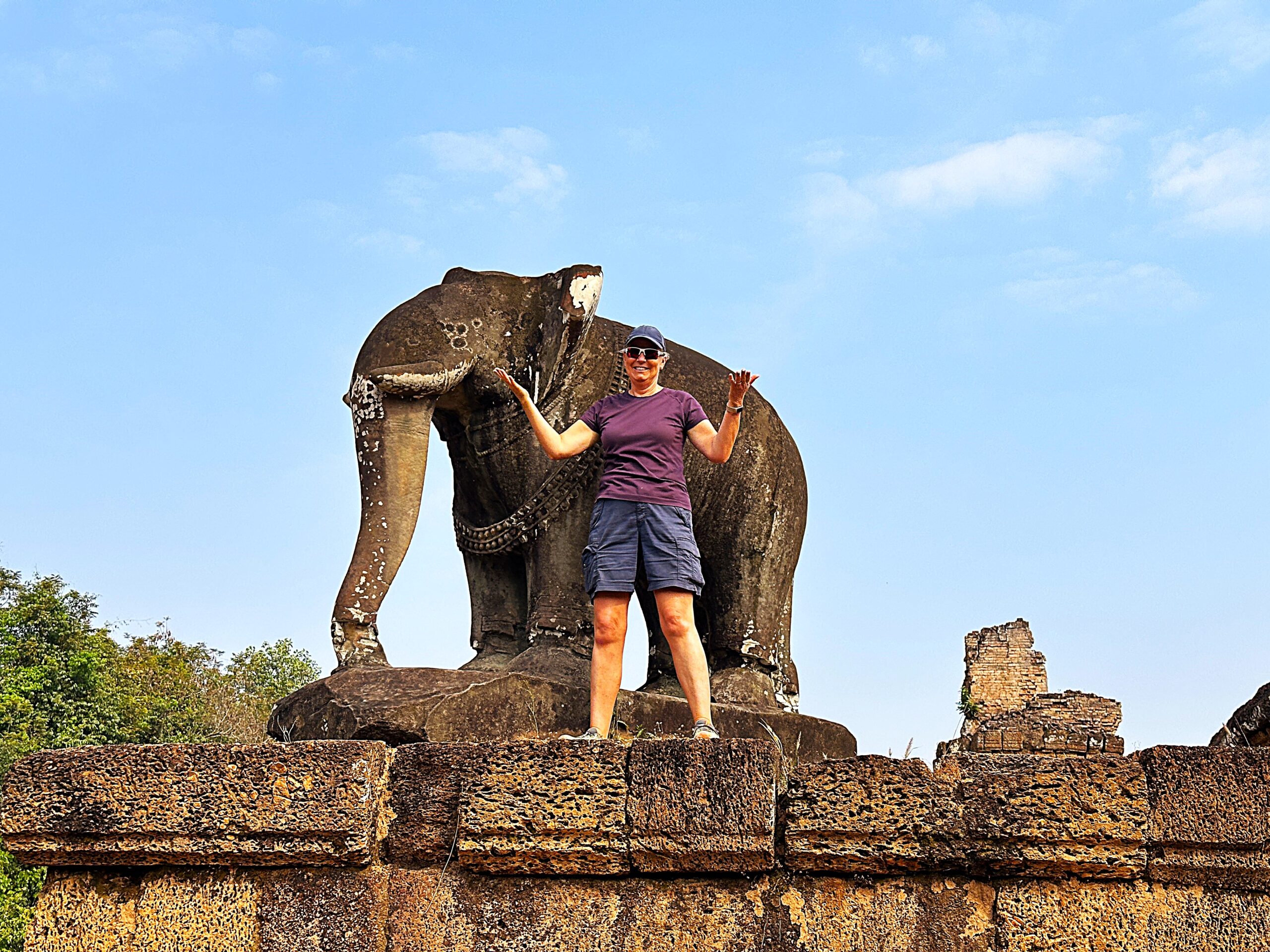
Continue to East Mebon, an impressive temple originally located on an island in the center of the ancient East Baray reservoir.
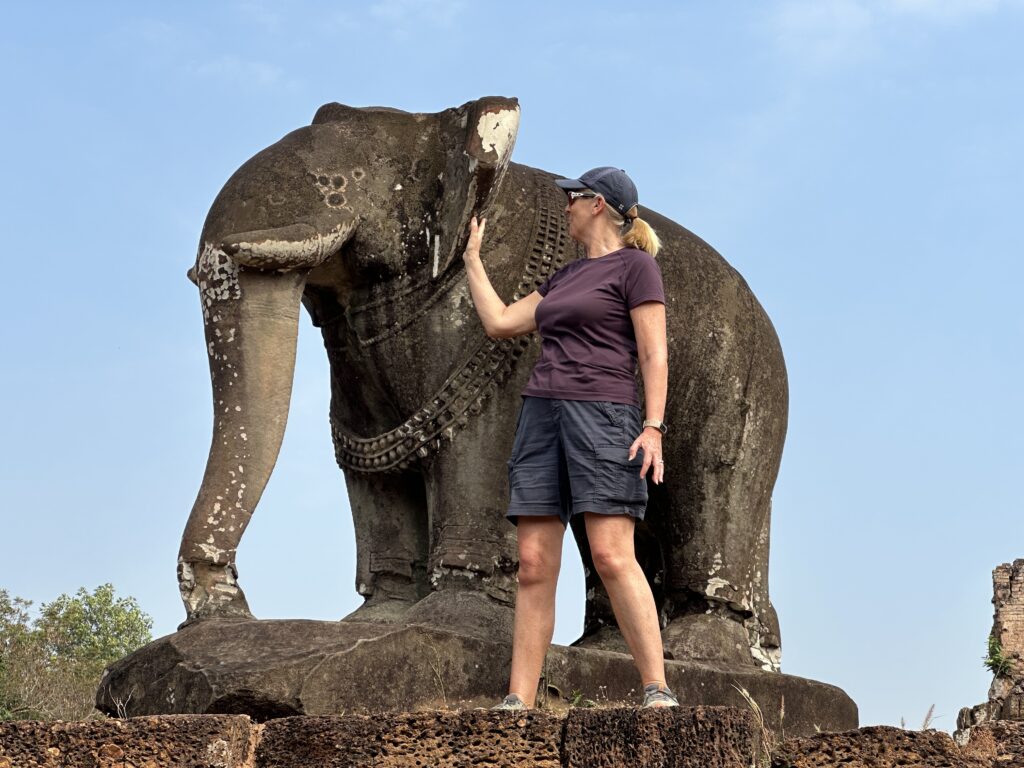
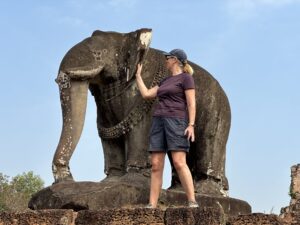 East Mebon was built in the 10th century by King Rajendravarman II and dedicated to the Hindu god Shiva. Originally located on an island in the center of the East Baray reservoir, the temple features three levels and impressive stone elephants guarding its corners.
Attractions: Visitors can admire the beautifully carved lintels, brick towers, guardian elephants, and detailed sculptures of Hindu deities.
Its peaceful setting and well-preserved architecture make East Mebon a fascinating stop on the Grand Circuit of Angkor.
Visit Ta Som Temple – The Hidden Jungle Temple
 Ta Som was built in the late 12th century by King Jayavarman VII and dedicated to his father. This small Buddhist temple features beautifully carved galleries, towers, and peaceful courtyards surrounded by jungle.
Attractions include the famous stone face tower and the remarkable strangler fig tree growing over the eastern gopura. Its quiet atmosphere, detailed carvings, and tree-covered ruins make Ta Som a charming stop on the Grand Circuit of Angkor, offering visitors a more peaceful and intimate temple experience.
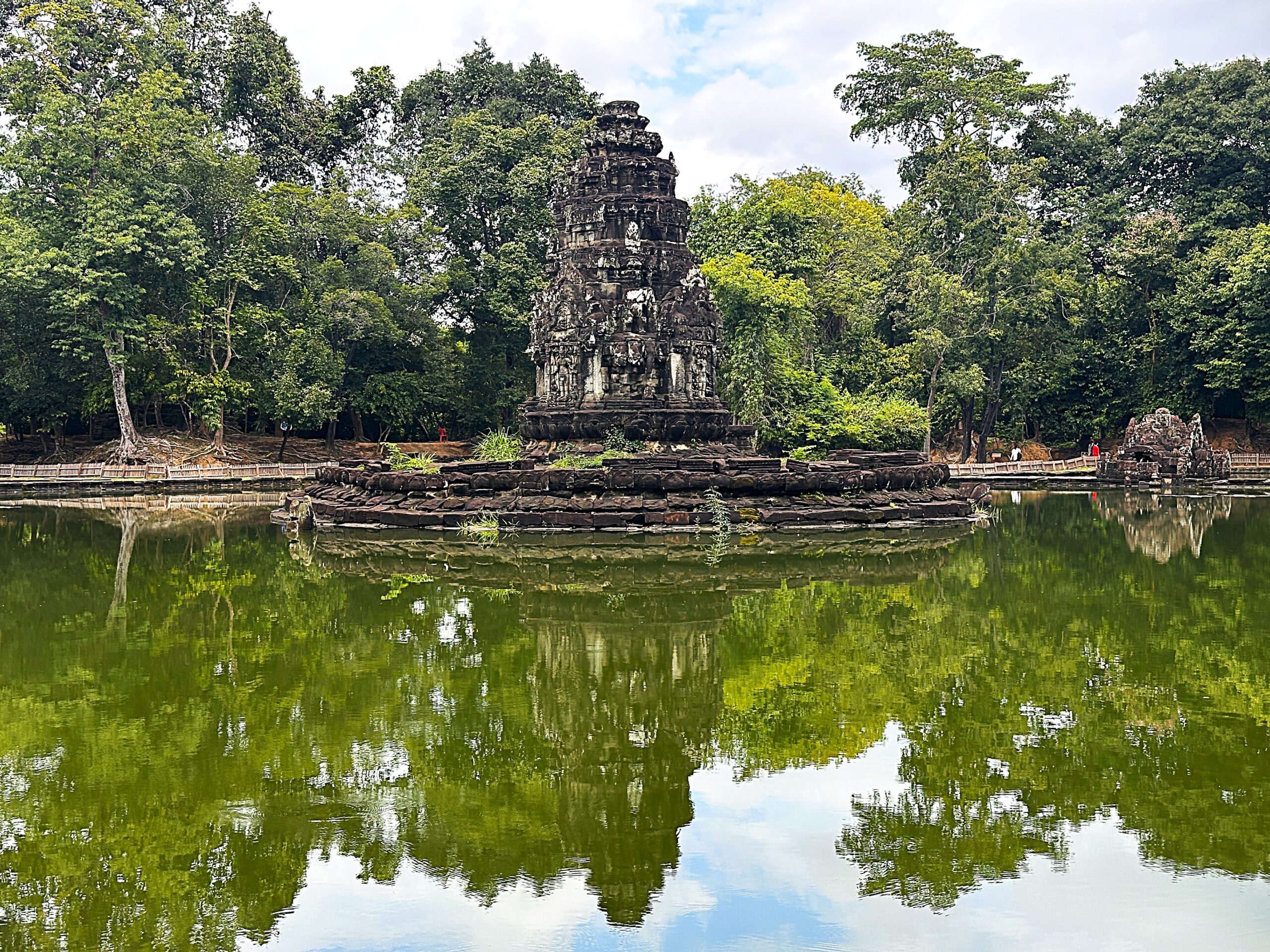
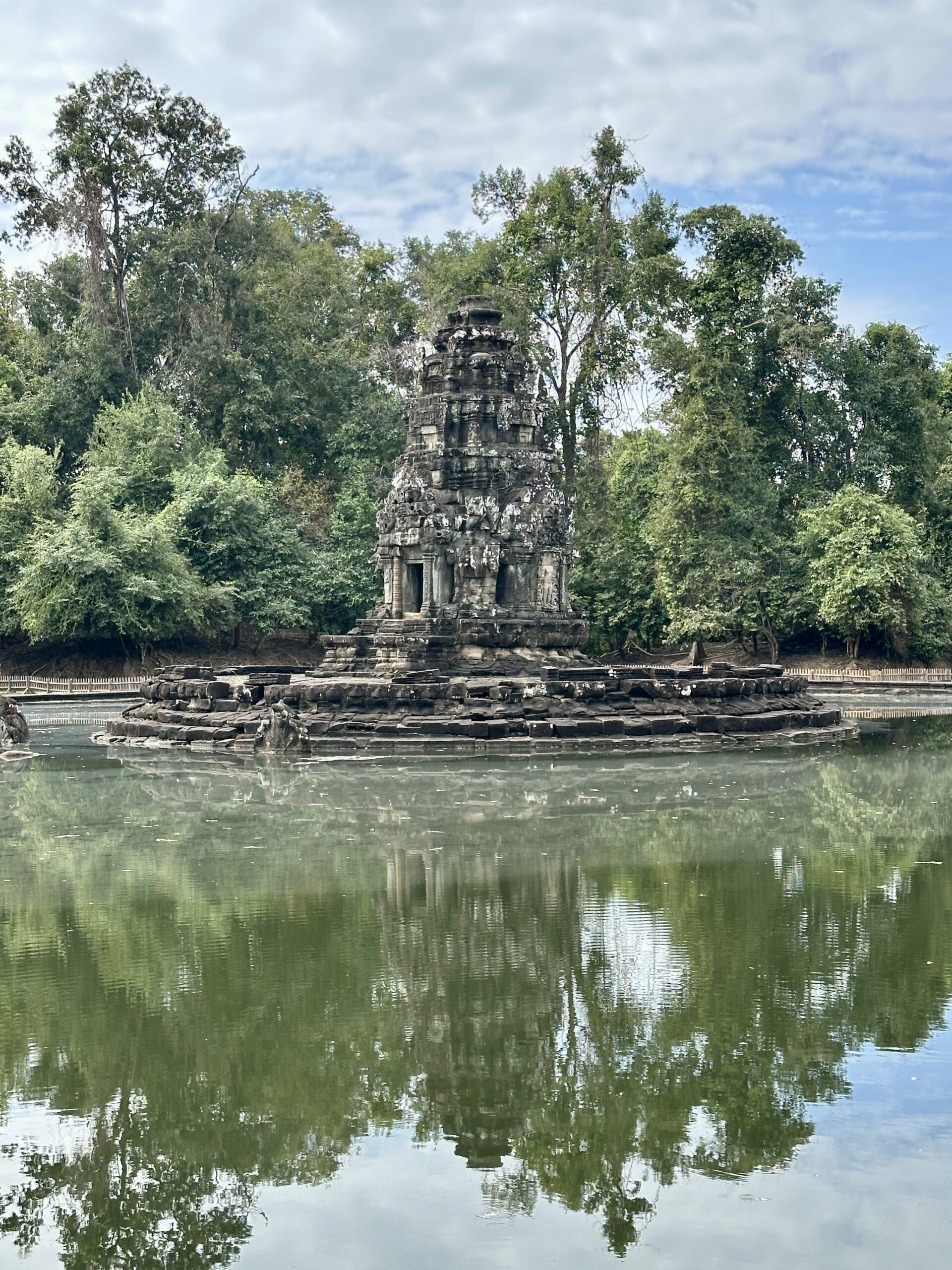
Continue to Neak Poan Temple – The Island Sanctuary
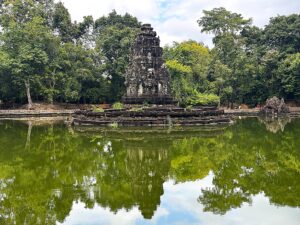 Neak Poan was built in the late 12th century by King Jayavarman VII as part of his Buddhist temple complex. Located on a small circular island in the center of the ancient Preah Khan Baray, the temple was designed as a sacred healing site. Its name means “Entwined Serpents,” referring to the naga figures surrounding the central sanctuary.
Attractions: Visitors can admire the central temple surrounded by water, elegant naga sculptures, stone pathways, and the four surrounding pools, which symbolized the four great rivers of ancient Hindu-Buddhist cosmology. The peaceful setting, reflection of the temple in the water, and unique island architecture make Neak Poan a memorable stop on the Grand Circuit of Angkor.
Its name means “Entwined Serpents,” referring to the serpent sculptures associated with the central island.
The temple was part of a larger ancient healing complex.
Explore Preah Khan Temple – The Sacred Ancient City
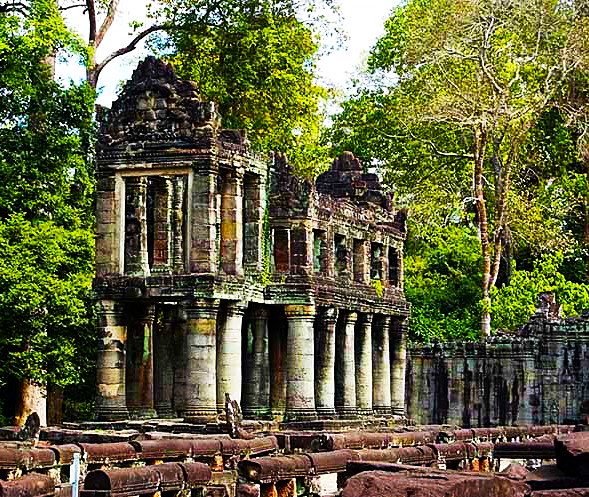
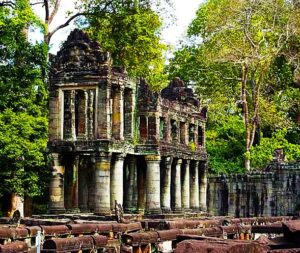 Preah Khan was built in the late 12th century by King Jayavarman VII and dedicated to his father. It served as a Buddhist temple, monastery, and important center of learning. The temple features long galleries, impressive stone carvings, libraries, courtyards, and corridors surrounded by jungle.
Attractions include the beautifully decorated entrance, giant guardian statues, Buddhist images, detailed bas-reliefs, and ancient trees growing among the ruins. Visitors can explore its peaceful passages and discover a unique blend of Buddhist and Hindu architectural elements. Preah Khan’s mysterious atmosphere and magnificent carvings make it one of the most fascinating temples on Angkor’s Grand Circuit.
Stop at a local restaurant for lunch before continuing toward Banteay Srei.
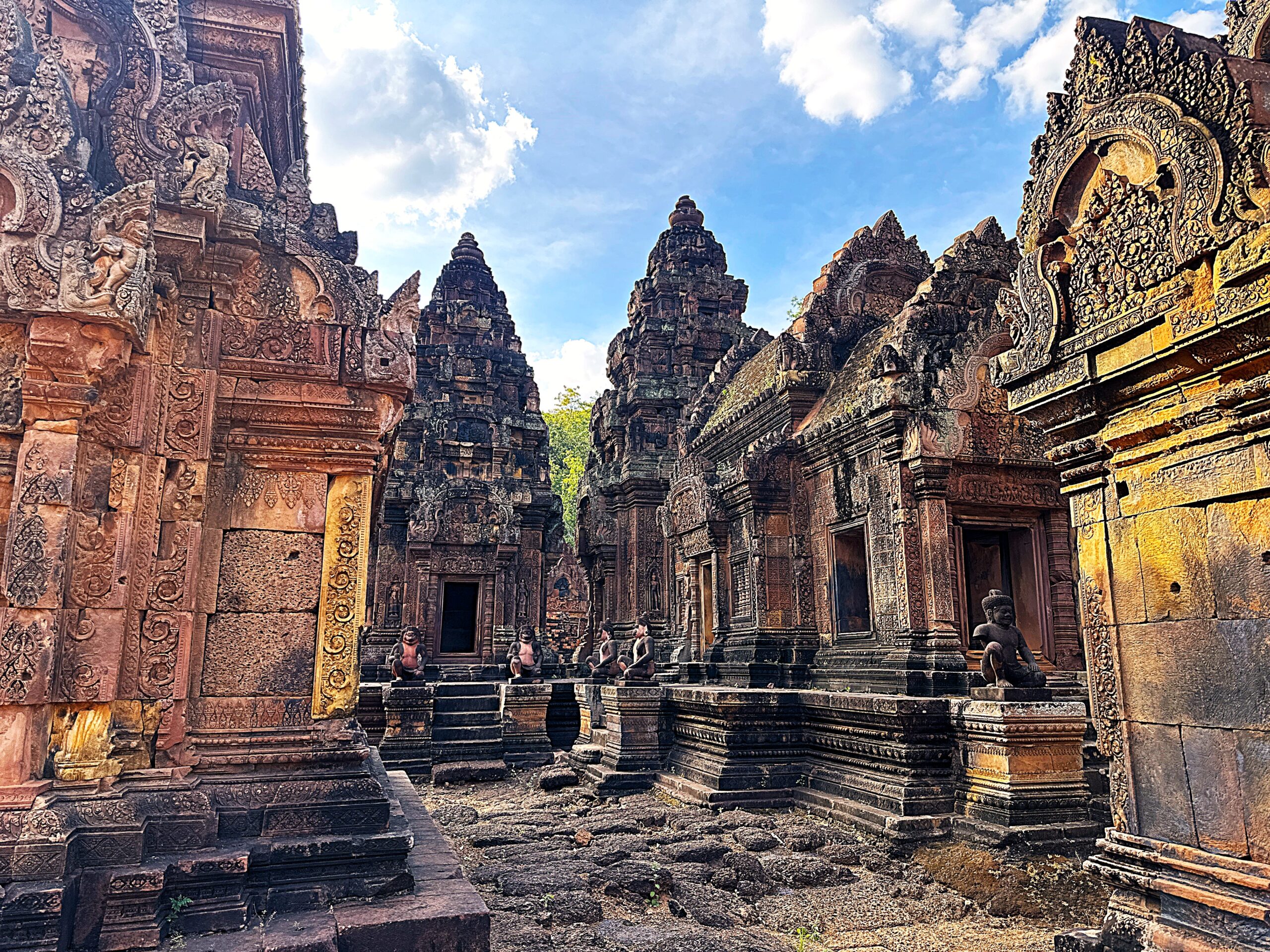
 Banteay Srei, meaning “Citadel of the Women,” is a small but beautifully decorated temple built in 967 AD during the reign of King Rajendravarman II. Dedicated to the Hindu god Shiva, it is famous for its warm pink sandstone and exceptionally detailed carvings.
Attractions include delicate devatas, apsaras, guardian figures, floral designs, and scenes from Hindu mythology carved into the walls and lintels. Unlike the massive temples of Angkor, Banteay Srei has an intimate and elegant character. Its fine craftsmanship and well-preserved ornamentation make it one of the finest examples of classical Khmer art. Visitors can enjoy its peaceful surroundings and admire the remarkable precision of its ancient stone carvings.
The journey provides beautiful views of rural Cambodia, including rice fields, traditional houses, villages, palm trees, and local life.
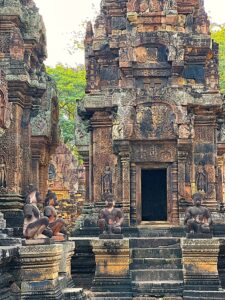 Spend time exploring Banteay Srei, one of the finest examples of classical Khmer decorative art.
The name Banteay Srei is commonly translated as “Citadel of the Women.” The temple was built in the 10th century and dedicated primarily to Shiva.
Unlike the enormous Angkor temples, Banteay Srei is relatively small. However, its warm pinkish-red sandstone allows the temple’s carvings to be exceptionally detailed.
Highlights include:
On the return journey, stop at Banteay Samré – The Hidden Temple
Banteay Samré was built in the 12th century during the reign of King Suryavarman II and is dedicated to the Hindu god Vishnu. Named after the Samré people, this beautifully preserved temple resembles a smaller version of Angkor Wat, with impressive galleries, towers, and intricate sandstone carvings.
Attractions include the richly decorated lintels, detailed bas-reliefs, guardian statues, and central sanctuary surrounded by peaceful courtyards. Its remote location provides a quieter experience away from the crowds. Visitors can admire the temple’s elegant architecture and explore its ancient walls while enjoying the surrounding Cambodian countryside.
The temple is quieter than the major Angkor monuments and is an excellent place for photographs.
Continue through the countryside toward Siem Reap.
This is a great opportunity to see traditional wooden houses, rice paddies, sugar palms, cattle, local villages, and everyday Cambodian life.
Arrive back at your hotel.
Today combines the natural and cultural attractions of Phnom Kulen National Park with a visit to a Tonlé Sap floating village.
Because Kulen Mountain is located outside central Siem Reap, an early departure helps make the day more comfortable.
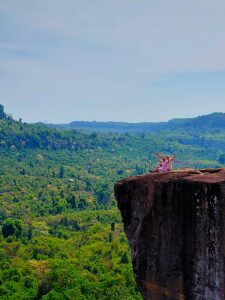 Travel through the Cambodian countryside toward Ta Chhrounh Cave – Kulen Mountain
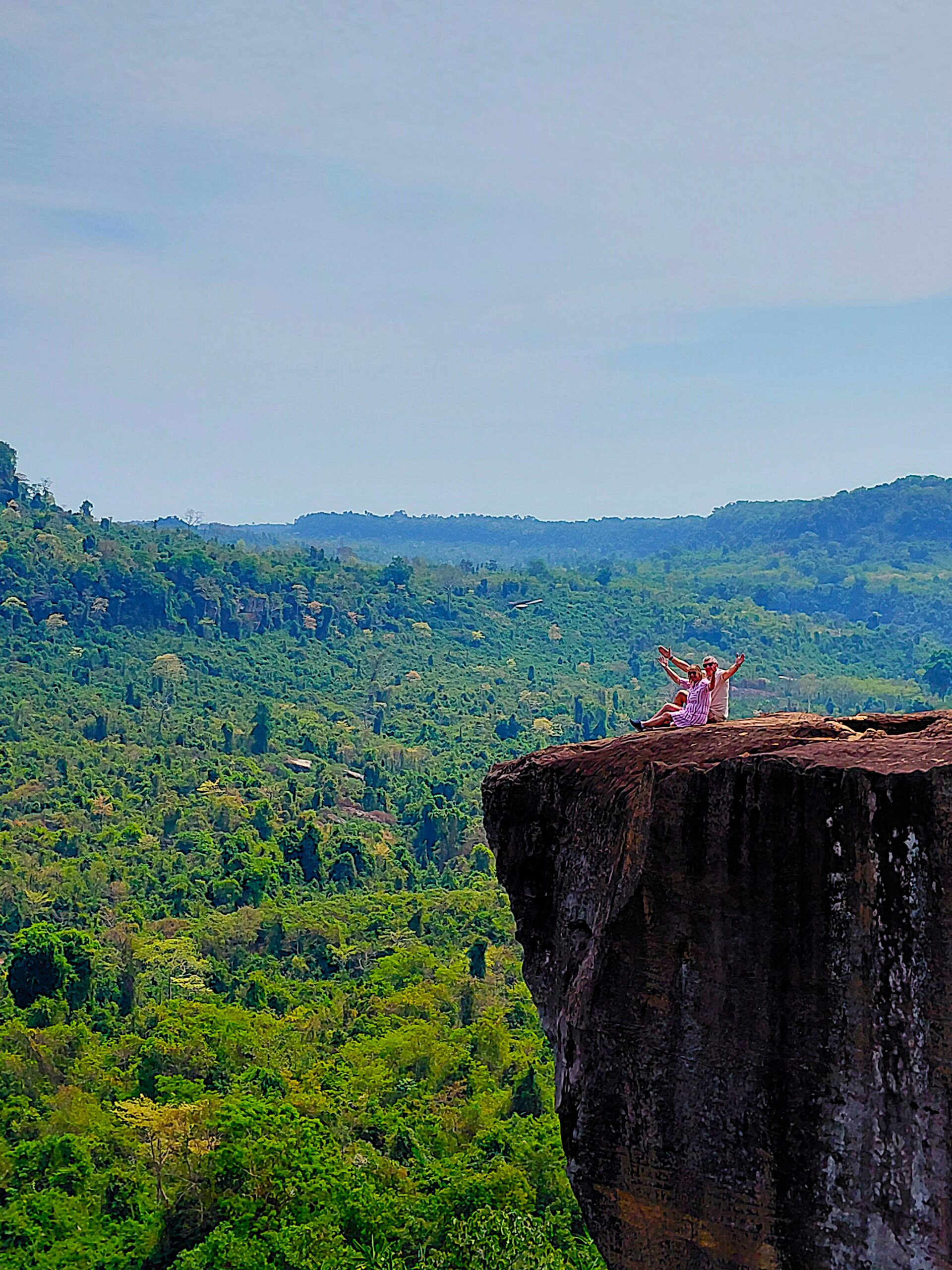
Ta Chhrounh Cave is a fascinating natural attraction in Kulen Mountain (Phnom Kulen), surrounded by lush jungle and dramatic sandstone landscapes.
The cave offers visitors an opportunity to explore a quieter and more adventurous side of Cambodia, away from the main Angkor temples.
Attractions include the natural rock formations, dark cave passages, surrounding forest, and peaceful mountain scenery. The journey to the cave also provides beautiful views of the countryside and the unique natural environment of Phnom Kulen. It is an ideal stop for travelers interested in nature, adventure, photography, and exploring hidden sites.
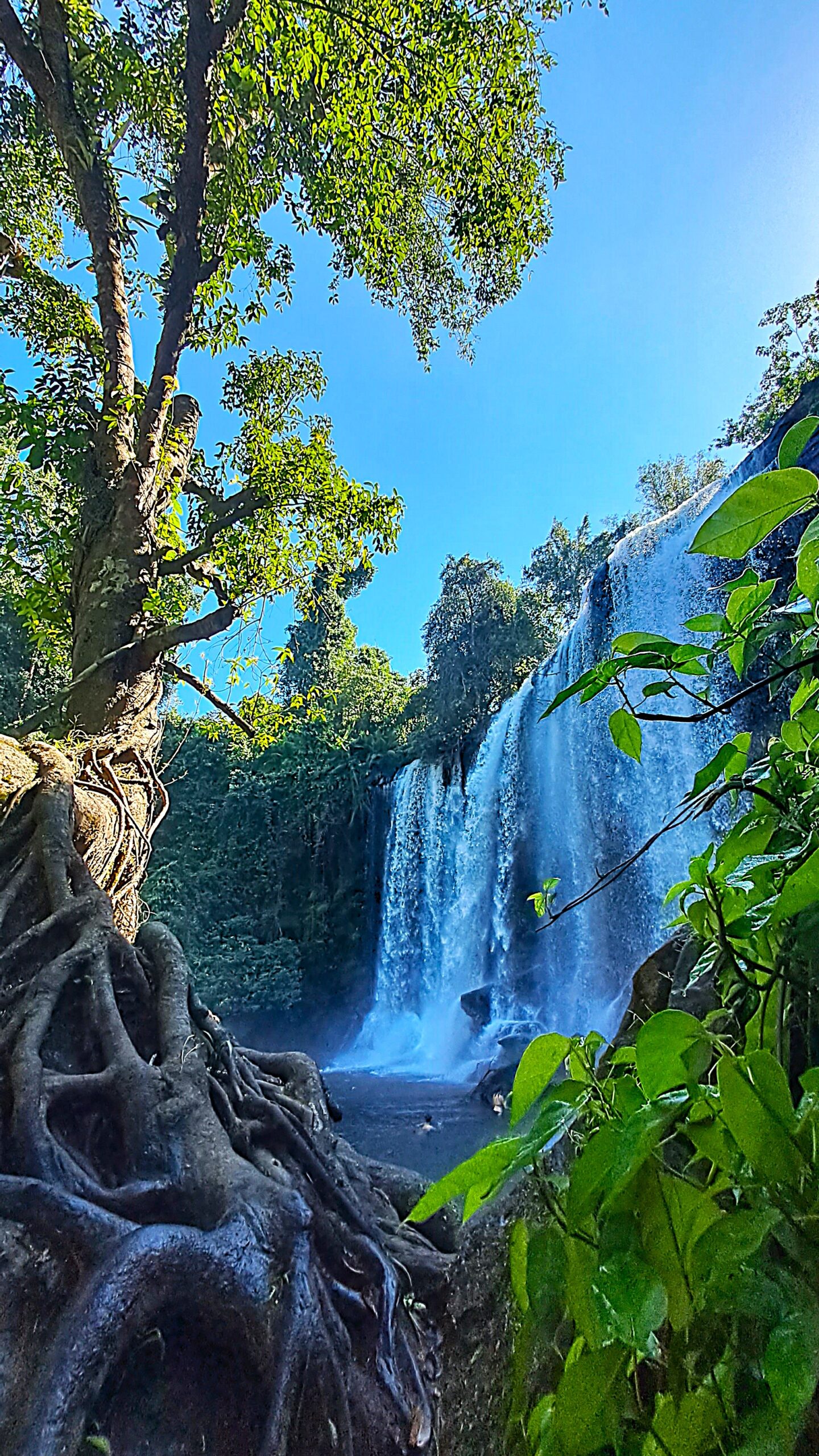
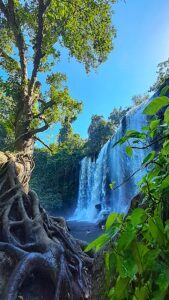 Phnom Kulen is one of Cambodia’s most sacred and beautiful natural destinations. The Kulen Waterfalls offer a refreshing escape, with cascading water surrounded by lush tropical forest and rocky scenery. Nearby, the River of 1,000 Lingas features ancient carvings of lingas and Hindu symbols along the riverbed, created to bless the water flowing toward the Angkorian kingdom.
The area is deeply connected to Cambodia’s spiritual and historical heritage. Visitors can enjoy swimming at the waterfall, explore the peaceful forest, and discover ancient sacred carvings. The combination of natural beauty, religious symbolism, and ancient Khmer history makes Phnom Kulen an unforgettable experience for travelers seeking nature, culture, adventure, and spiritual discovery.
Visit the River of a Thousand Lingas, an extraordinary archaeological site where hundreds of lingas and religious carvings were created in the riverbed.
The site demonstrates the spiritual importance of the mountain during the Khmer period.
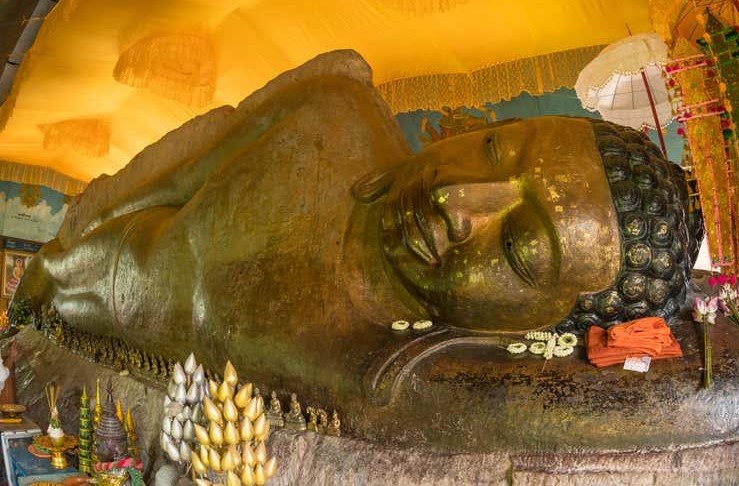
Continue to the large reclining Buddha statue at Preah Ang Thom.
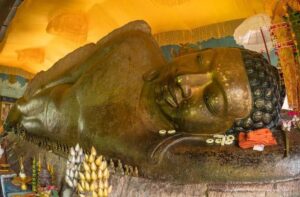 Preah Ang Thom – Sacred Reclining Buddha
Preah Ang Thom is a sacred Buddhist shrine located on Phnom Kulen, an important spiritual mountain in Cambodia. The site is famous for its enormous eight-meter-long reclining Buddha, carved directly into the natural sandstone rock. Believed to date back many centuries, the statue remains an important place of worship where local people and pilgrims come to pray and make offerings.
Attractions include the impressive reclining Buddha, ancient stone carvings, sacred statues, and the peaceful mountain surroundings. Visitors can climb the stone steps to reach the shrine and enjoy beautiful views of the forested landscape. The combination of religious significance, ancient Khmer heritage, and natural scenery makes Preah Ang Thom a meaningful and memorable stop during a Phnom Kulen tour.
Depending on weather and local conditions, visitors may have time to relax near the waterfall or enjoy the natural surroundings.
Enjoy lunch at a local restaurant in or near the Kulen area.
Begin the journey back toward Siem Reap and continue to the Tonlé Sap area.
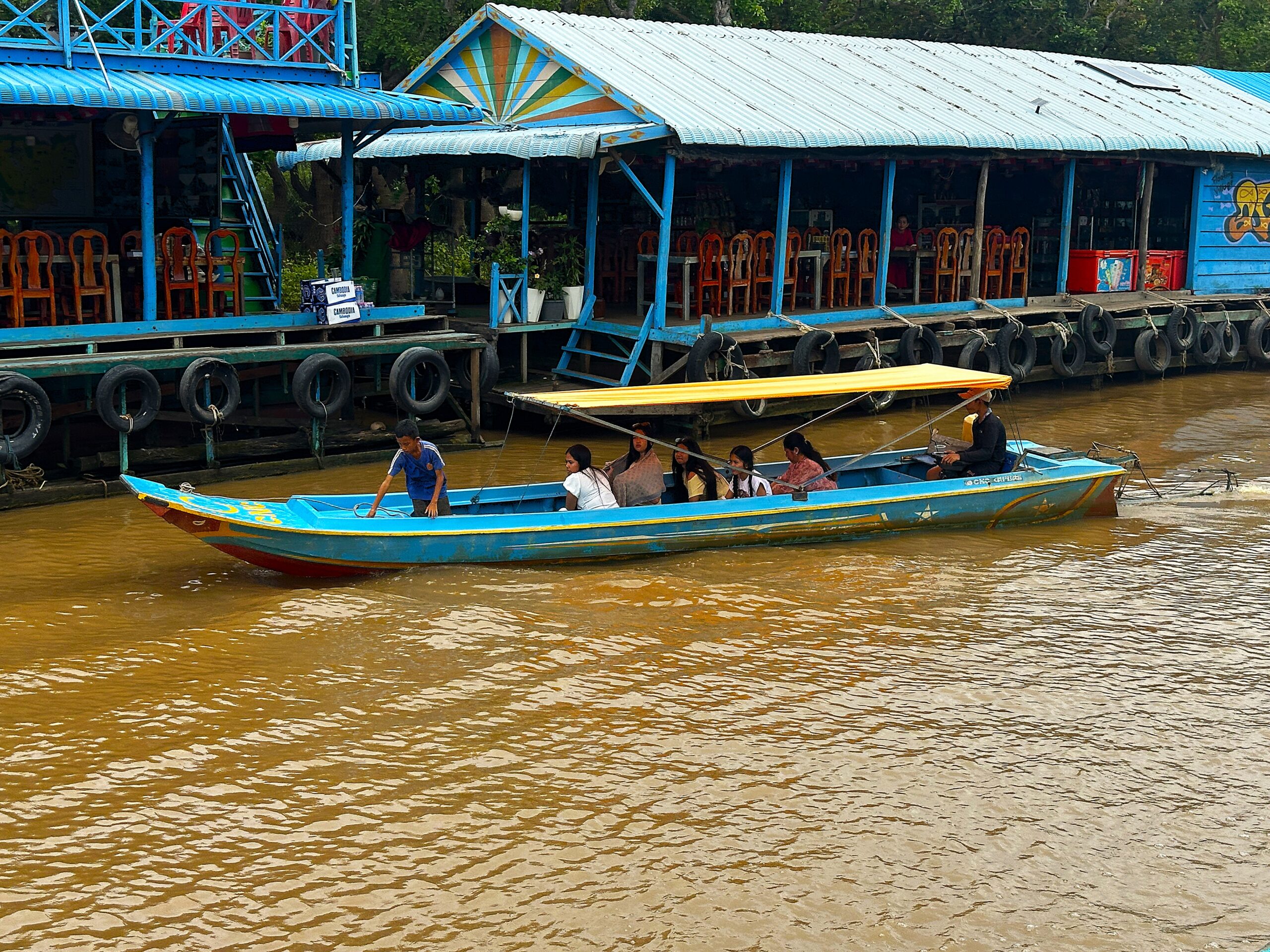
Visit one of the region’s floating or stilted villages, such as Kampong Phluk, depending on seasonal water conditions and the selected tour route.
 Kampong Phluk is a fascinating floating and stilted village on Tonlé Sap Lake, located near Siem Reap. The village is famous for its tall wooden houses, traditional fishing communities, and unique way of life shaped by the lake’s seasonal water levels. Visitors can take a boat ride through the village and observe local families, fishing activities, floating houses, and peaceful waterways.
Attractions include the impressive stilt houses, mangrove forest, local fishing boats, colorful floating homes, and beautiful lake scenery. During the wet season, the surrounding forest becomes flooded, creating a spectacular boat experience. Kampong Phluk offers travelers an authentic glimpse into Cambodian rural life, making it an excellent cultural and nature experience alongside the temples of Angkor.
A boat trip provides an opportunity to experience life around Tonlé Sap Lake, one of Southeast Asia’s most important freshwater ecosystems.
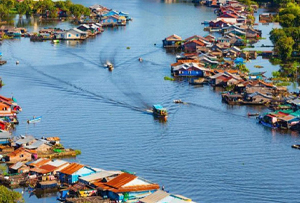 During the journey, you can see:
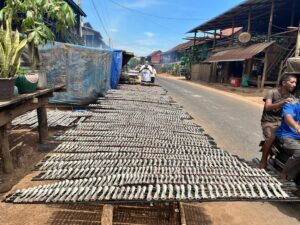 Smoked fish is a traditional food preservation technique practiced by fishing communities around Tonlé Sap Lake. Freshly caught fish are cleaned, opened, and prepared before being placed over a wood-fired smoking rack. The slow-burning fire produces smoke that gradually dries and preserves the fish while adding a distinctive smoky flavor. This traditional method allows families to store fish for longer periods, especially when the daily catch is abundant. Attractions: Visitors can observe local fishermen preparing and smoking fish, learn about traditional food preservation, and experience an authentic part of floating-village life. The activity provides a fascinating insight into Cambodia’s fishing culture and the close relationship between local communities and Tonlé Sap Lake.
The surrounding landscape changes dramatically between the dry and wet seasons, making the experience different throughout the year.
Leave the floating village and return to Siem Reap.
Arrive at your hotel and conclude the 3-Day Angkor Temples, Kulen Mountain & Tonlé Sap Tour.
Your unforgettable Angkor adventure starts here.
 Website: Angkor Birding Tours
 Tel / WhatsApp: +855 92304841
Reserve your tour today and discover the beauty, mystery, and timeless heritage of the Khmer Empire with us! 
Angkor Birding Tours — Your Journey, Our Passion.




Write Your Review